
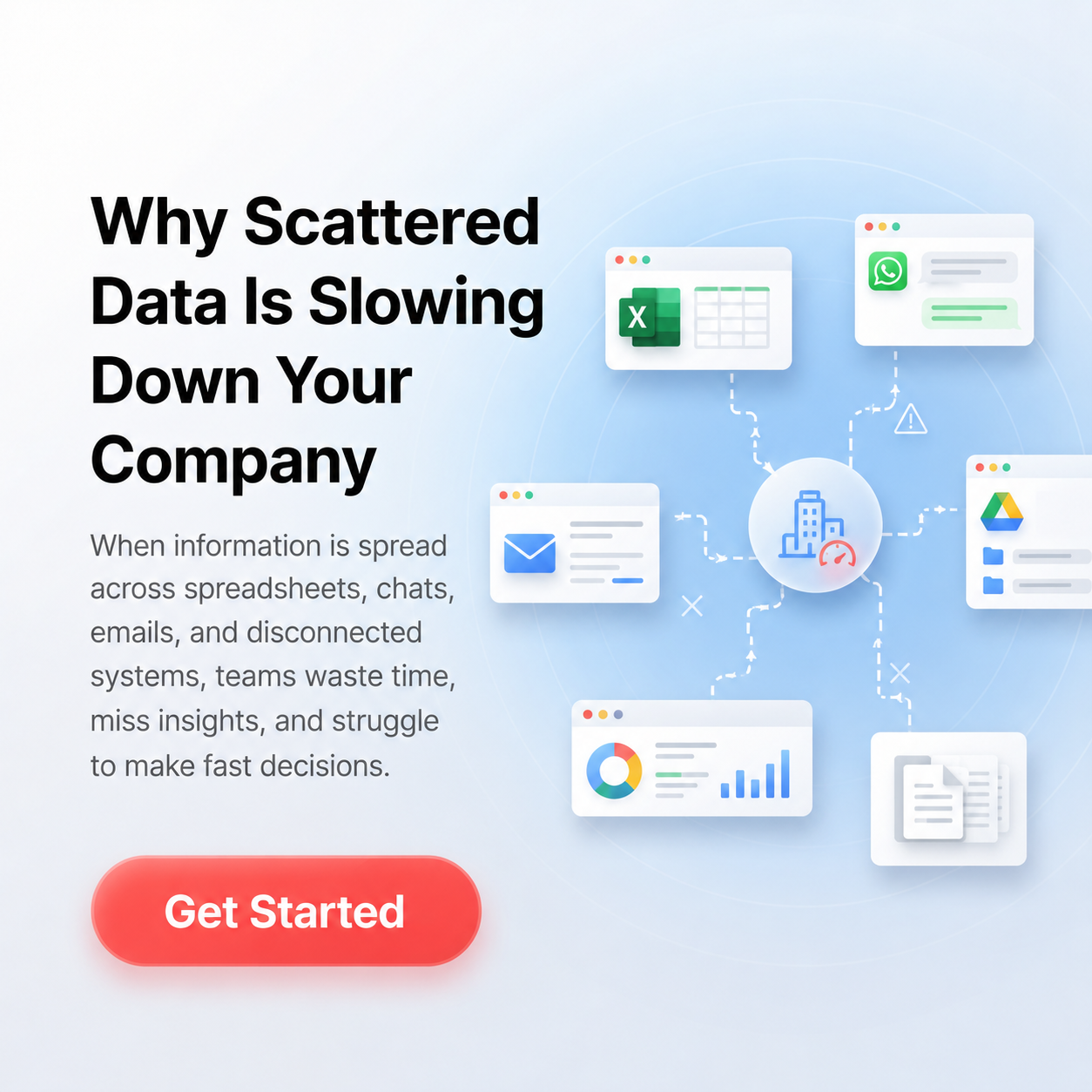
Why Scattered Data Is Slowing Down Your Company
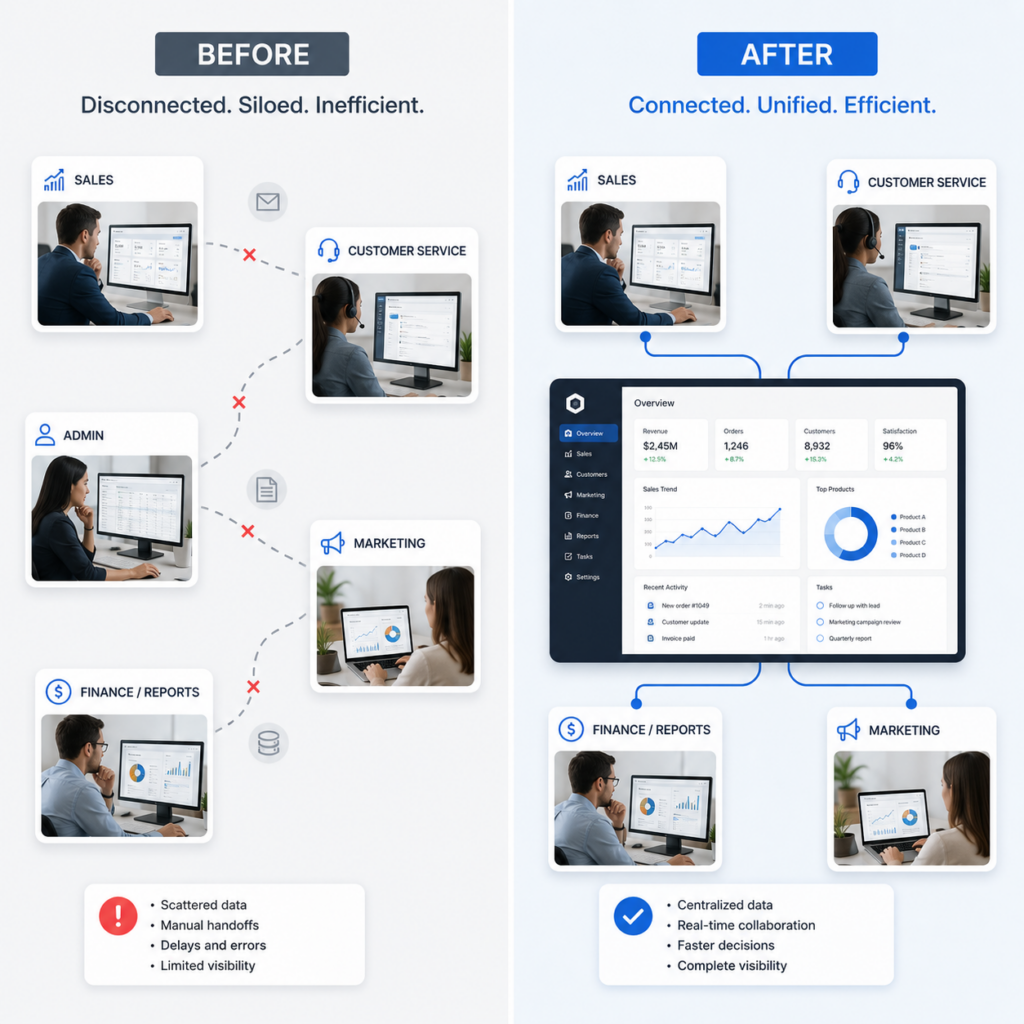
Many companies have important business data, but the problem is the data is not stored in one place.
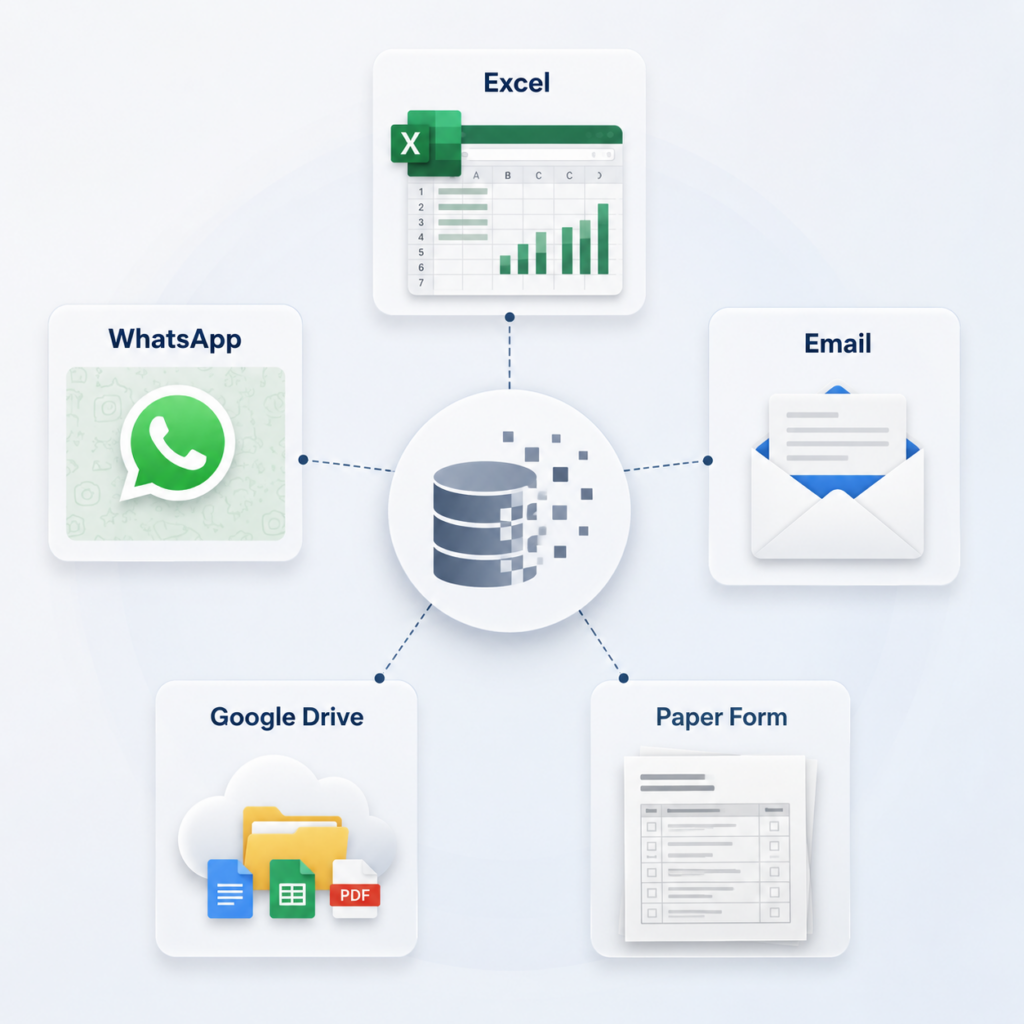
Sales data may be in Excel, customer inquiries in WhatsApp, documents in Google Drive, payment updates in email, and reports prepared manually by different departments.
At first, this may look normal. But as the company grows, scattered data can slow down operations, create confusion, and make decision-making harder.

What Is Scattered Data?
Scattered data means company information is stored across different platforms, files, departments, or people without a proper centralized system.
For example, customer details may be saved by the sales team, payment records by finance, project status by operations, and support issues by customer service.
When all this information is separated, the company does not have one clear source of truth.
1. It Makes Information Hard to Find
When data is scattered, staff spend too much time searching for information.
They may need to check old messages, open multiple spreadsheets, ask another department, or wait for someone to send the latest update.
This slows down daily operations and affects productivity.

2. It Causes Duplicate Work
Scattered data often leads to repeated work.
For example, the same customer details may be entered into different files by different teams. One department may update the information, but another department may still use the old version.
This creates confusion and wastes time.

3. It Increases Human Error
Manual updates and scattered files can easily cause mistakes.
A wrong phone number, missing payment status, outdated quotation, or incorrect report can affect business decisions and customer experience.
The more manual the process, the higher the risk of human error.
4. It Slows Down Decision-Making
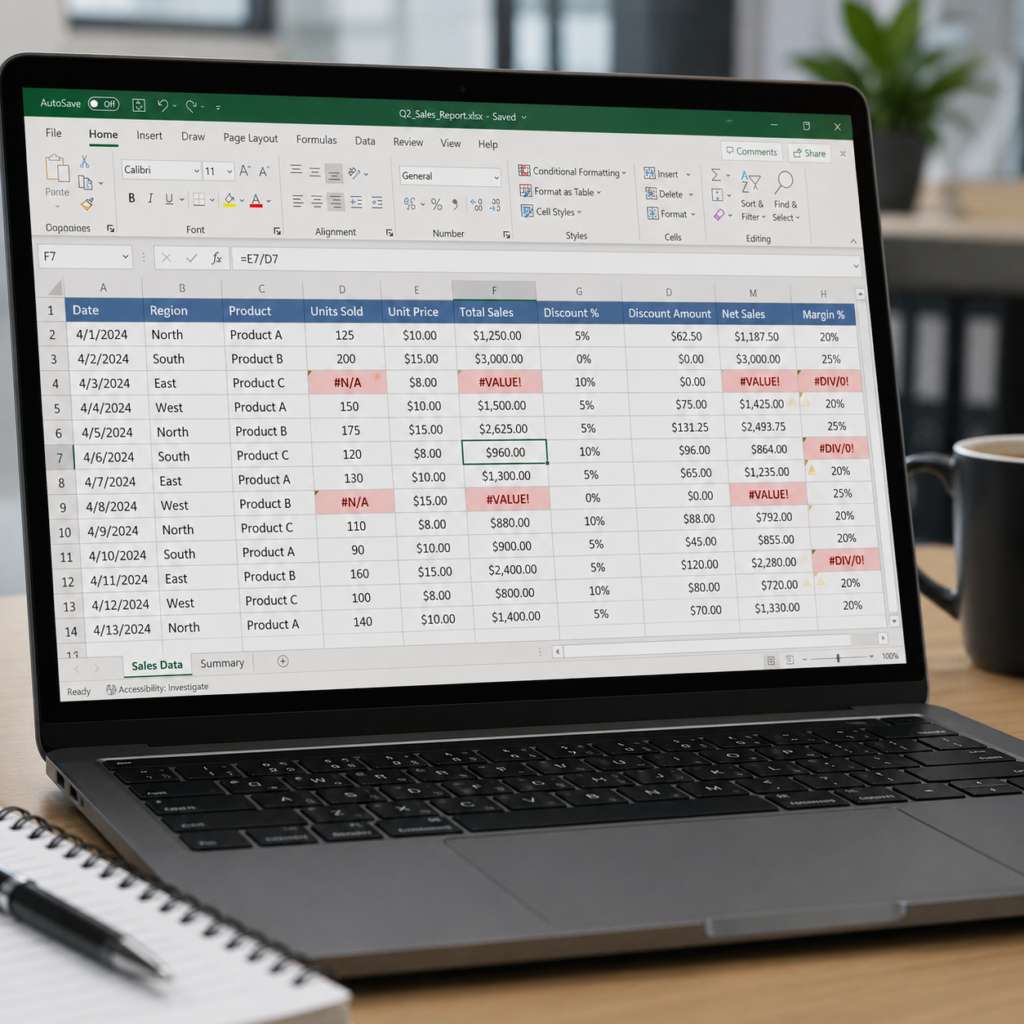
Business owners and managers need accurate data to make decisions.
But when data is scattered, they may need to wait for reports from different teams before they can understand what is happening.
This can delay important decisions related to sales, stock, finance, manpower, or customer service.

5. It Affects Customer Experience
Customers expect fast and accurate responses.
If staff cannot quickly check customer history, order status, quotation details, or support issues, the response may become slow or incomplete.
This can make customers feel frustrated and reduce trust in the company.
6. It Makes Reporting More Difficult
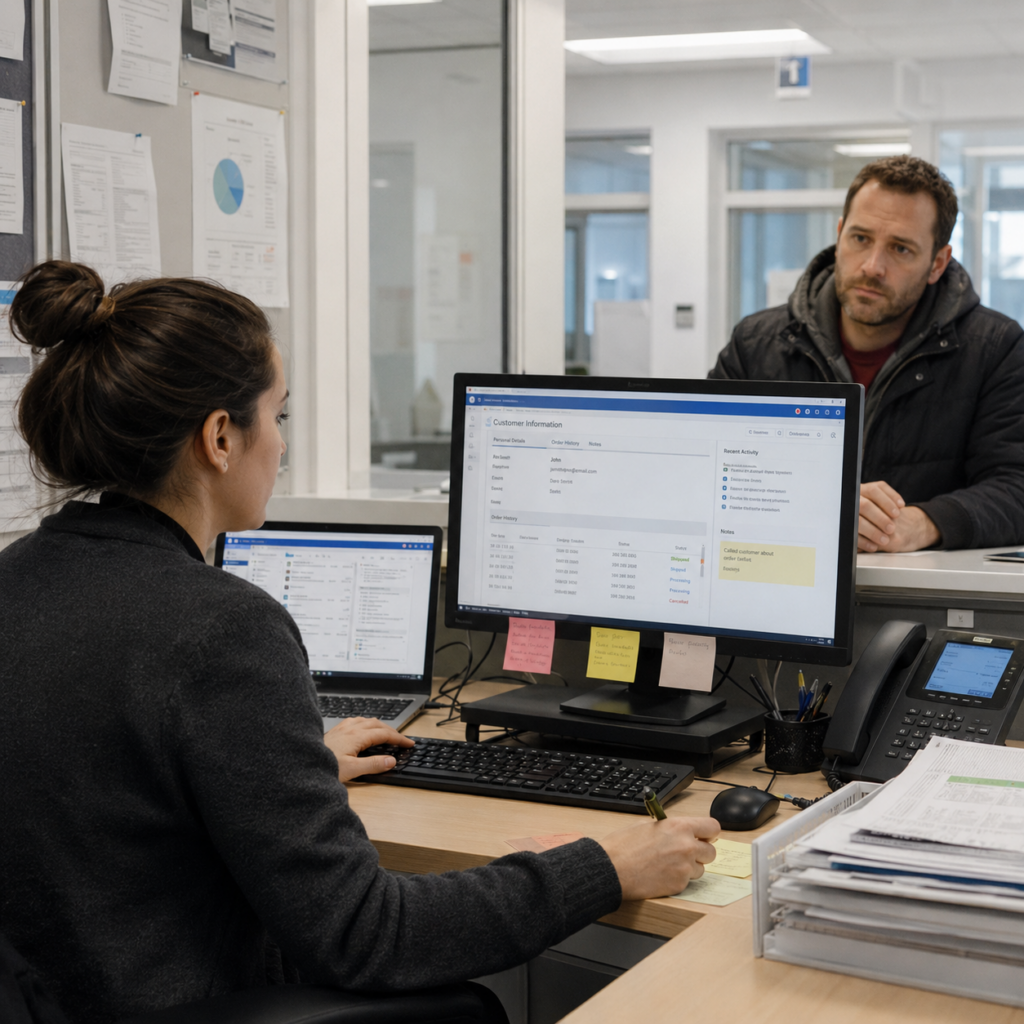
When data is not centralized, reporting becomes a manual and time-consuming task.
Staff need to collect data from different sources, clean the information, combine it into one report, and update management.
This process can take hours or even days.

7. It Reduces Team Collaboration
Scattered data makes it harder for teams to work together.
Sales may not know the latest payment status. Operations may not know the latest customer request. Management may not see the latest project update.
When teams do not share the same information, miscommunication can happen easily.
How a Centralized System Can Help
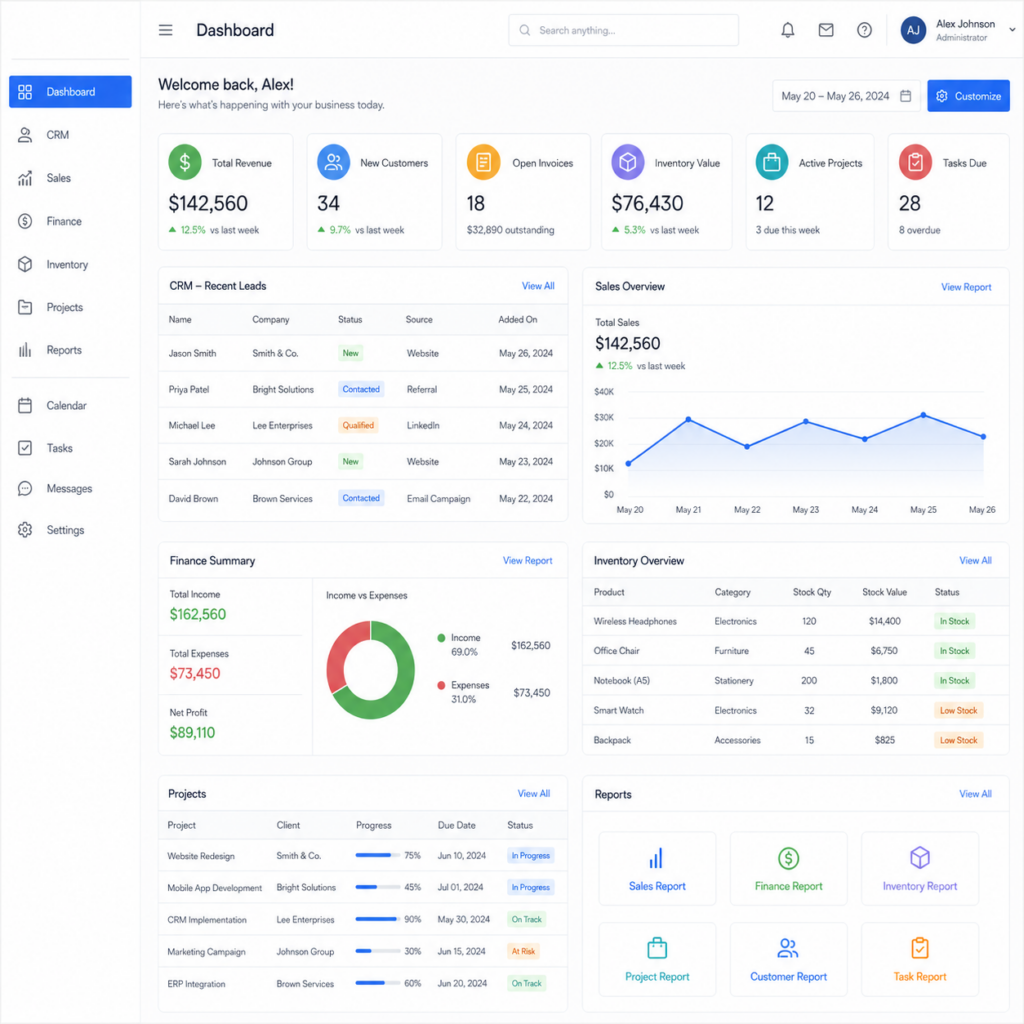
A centralized system allows companies to store, manage, and monitor important business data in one platform.
This can include CRM, sales tracking, customer database, project management, inventory, finance records, approval workflow, reporting dashboard, and document management.
With one system, teams can access updated information faster and work more efficiently.
Benefits of Centralized Data
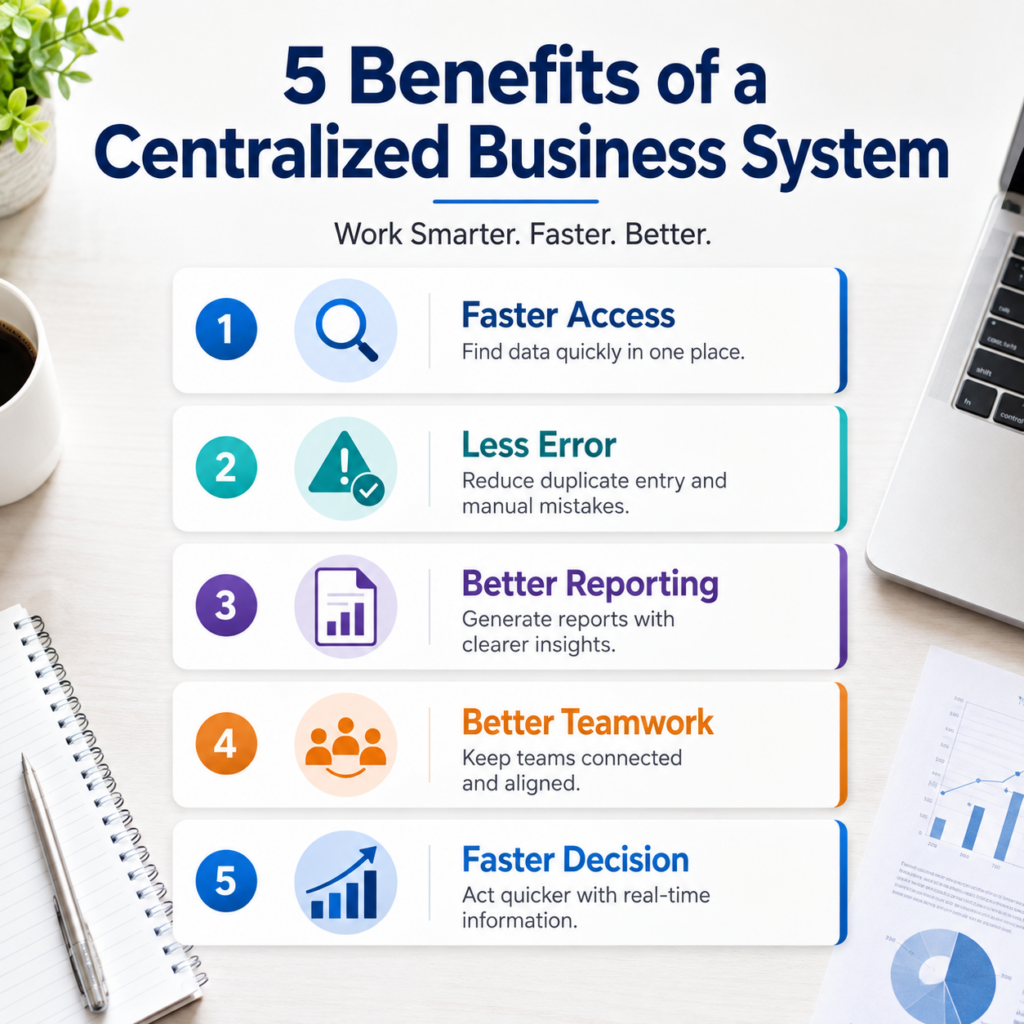
Centralized data helps companies reduce manual work, avoid duplicate records, improve reporting, make faster decisions, and provide better customer service.
It also helps management monitor business performance in real time without depending too much on manual updates.
Is This Suitable for SMEs?
Yes. SMEs do not need to build a complex system immediately.
They can start with one important area first, such as customer management, sales tracking, inventory, or reporting dashboard.
Once the first system is stable, more modules can be added based on business needs.

Conclusion
Scattered data may seem like a small issue, but it can slowly affect company productivity, customer service, reporting, and decision-making.
As businesses grow, relying on Excel files, WhatsApp messages, emails, and manual reports becomes harder to manage.
A centralized system helps companies organize data better, reduce manual work, and make faster decisions based on accurate information.