What Makes a Business Website Effective in 2026?
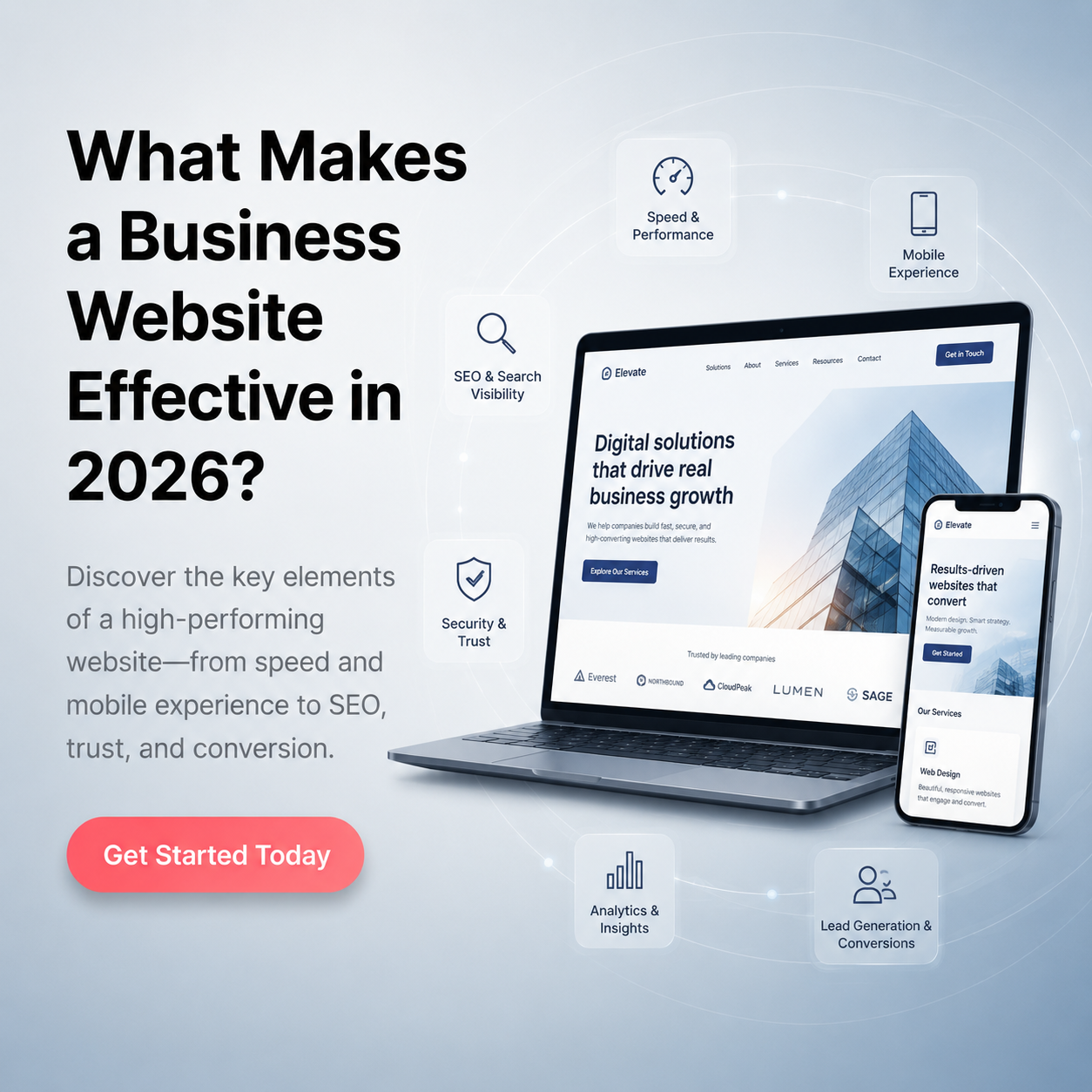
In 2026, a business website is no longer just an online company profile. It needs to work as a digital asset that builds trust, explains your value, attracts customers, and supports business growth.
A good website should not only look nice. It must be clear, fast, mobile-friendly, easy to navigate, and designed to convert visitors into leads or customers.
For companies that want to stay competitive, having an effective website is an important part of digital transformation.
1. Clear Message and Value Proposition
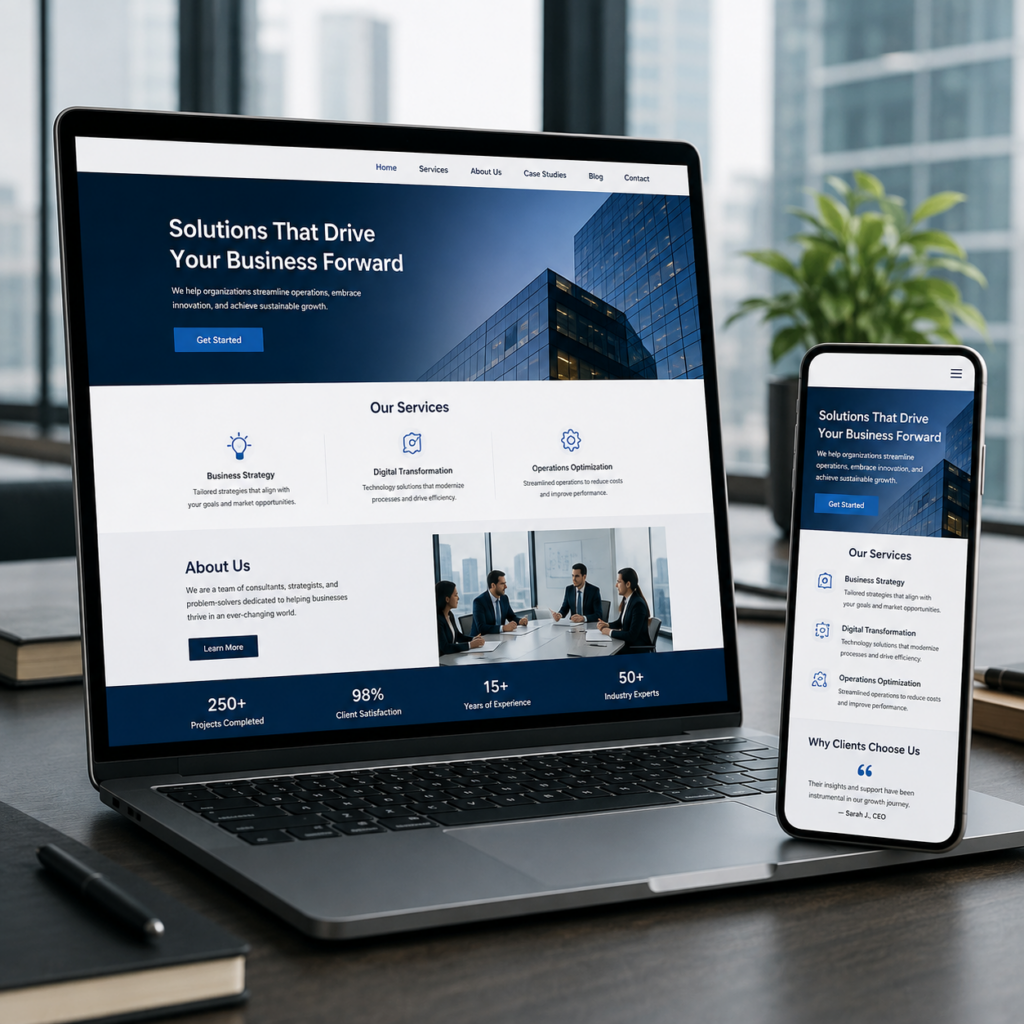
The first thing visitors should understand is what your business offers and who it helps.
A strong website needs a clear headline, simple explanation, and direct message. Visitors should not feel confused about your services, products, or business value.
If people need to think too hard to understand your website, they may leave before contacting you.
2. Mobile-Friendly Design
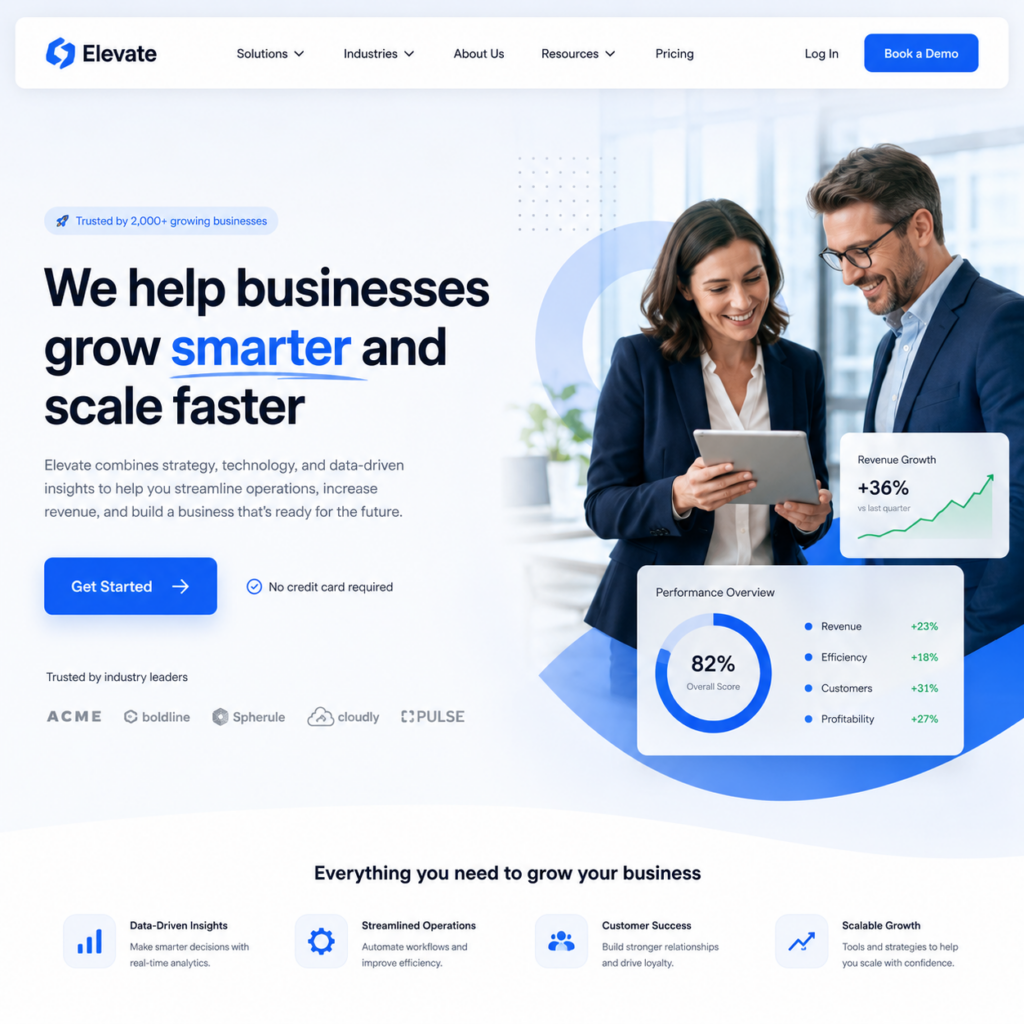
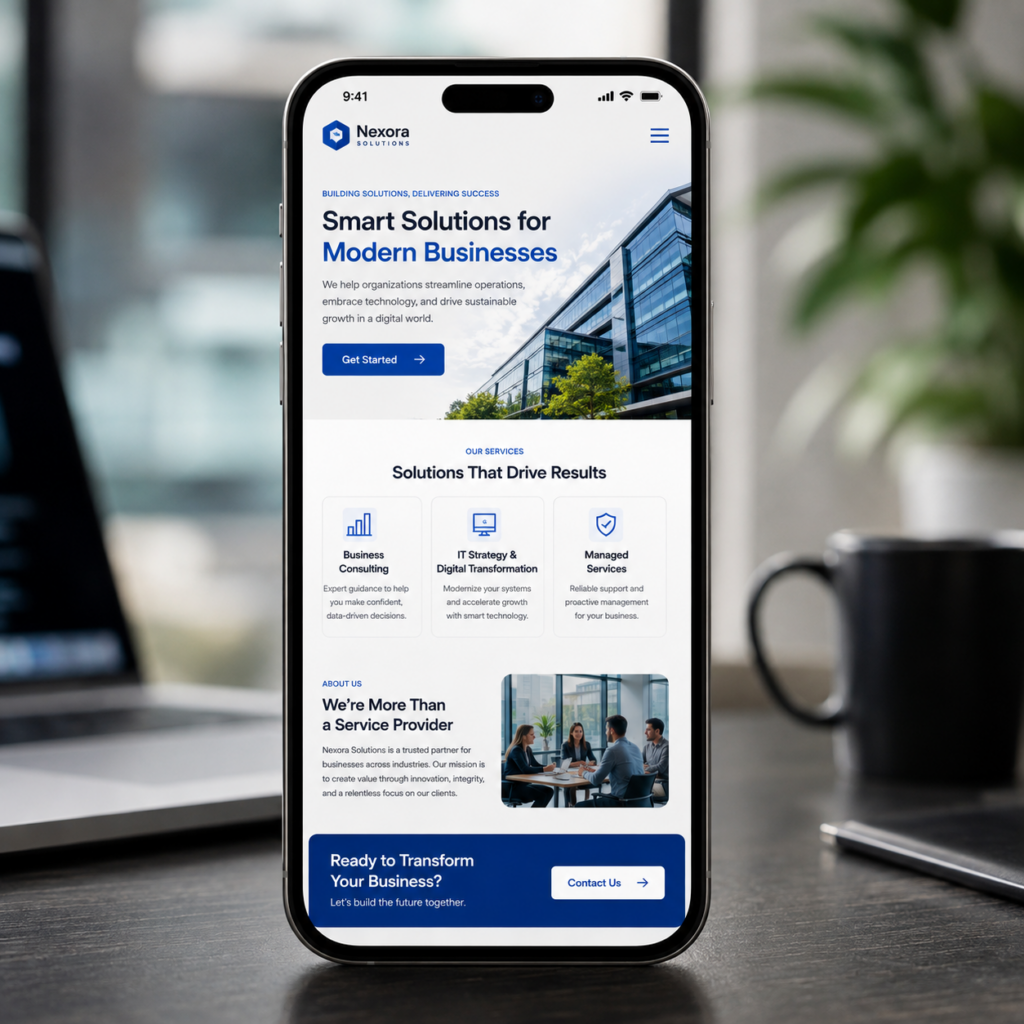
Most users browse websites using their phones. That is why your website must look good and function well on mobile devices.
A mobile-friendly website should have readable text, fast loading, easy buttons, simple navigation, and a layout that fits smaller screens.
If your website is hard to use on mobile, you may lose potential customers.
3. Fast Loading Speed
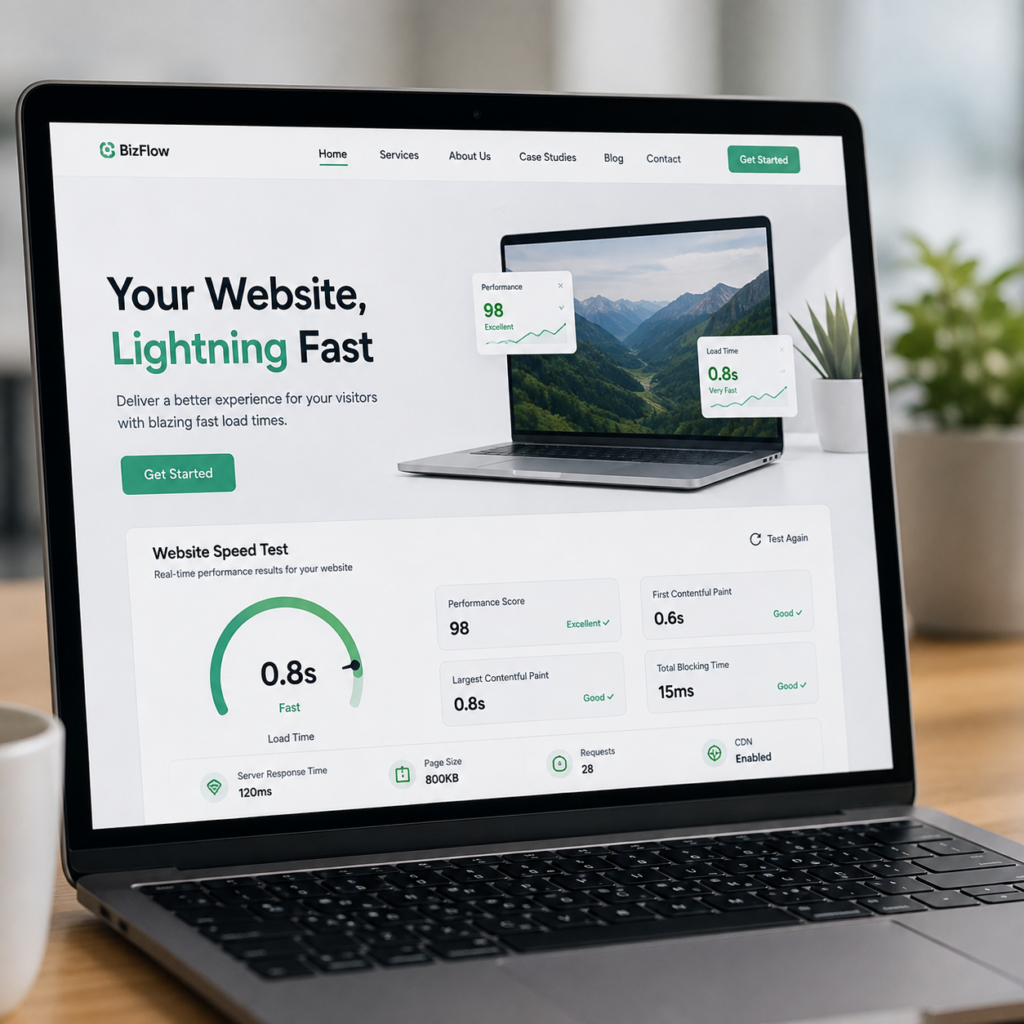
Website speed is very important. Visitors do not want to wait too long for a page to load.
A slow website can affect user experience and make people leave before they even read your content.
To improve speed, businesses should optimize images, reduce unnecessary plugins, use proper hosting, and keep the website structure clean.
4. Simple and Easy Navigation
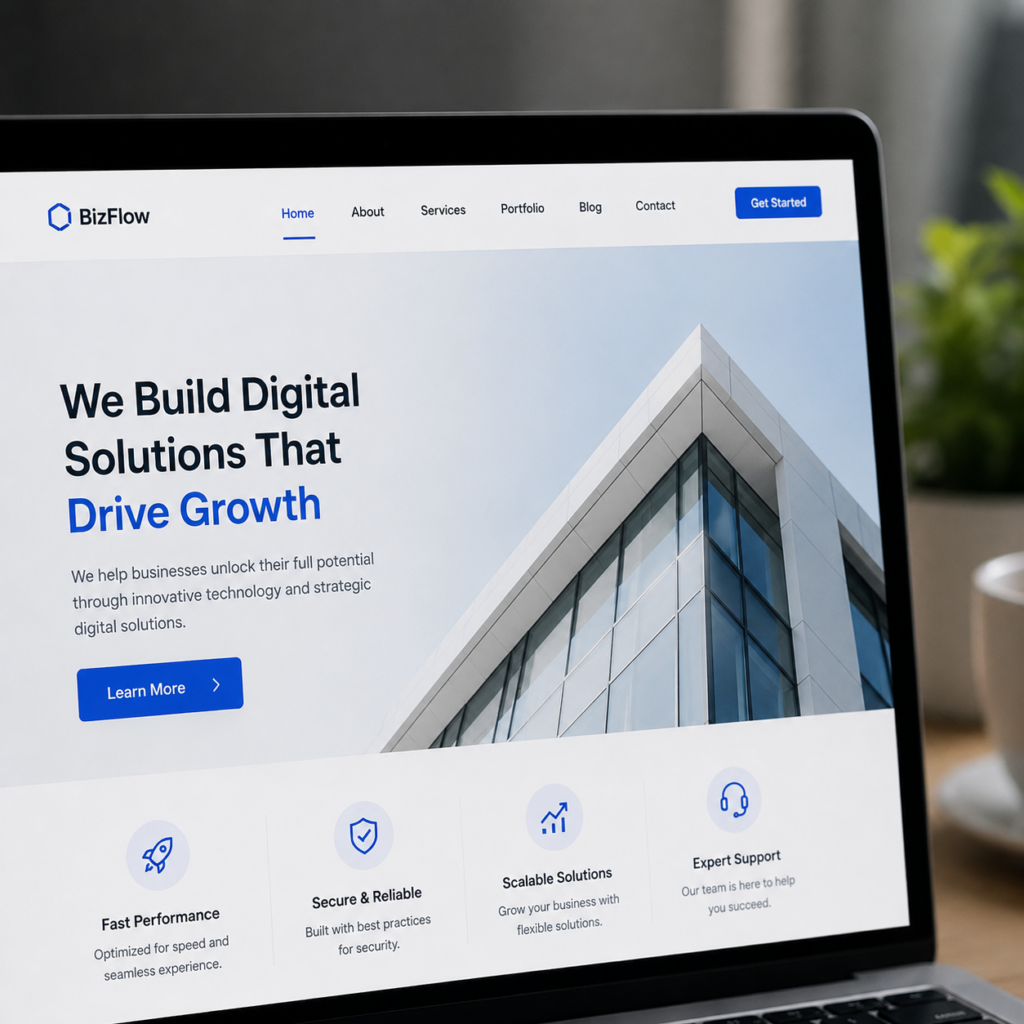
A website should make it easy for visitors to find what they need.
Important pages such as About, Services, Portfolio, Blog, Contact, and Request a Quote should be easy to access.
If your menu is too messy or confusing, visitors may not know where to go next.
5. Strong Call-to-Action
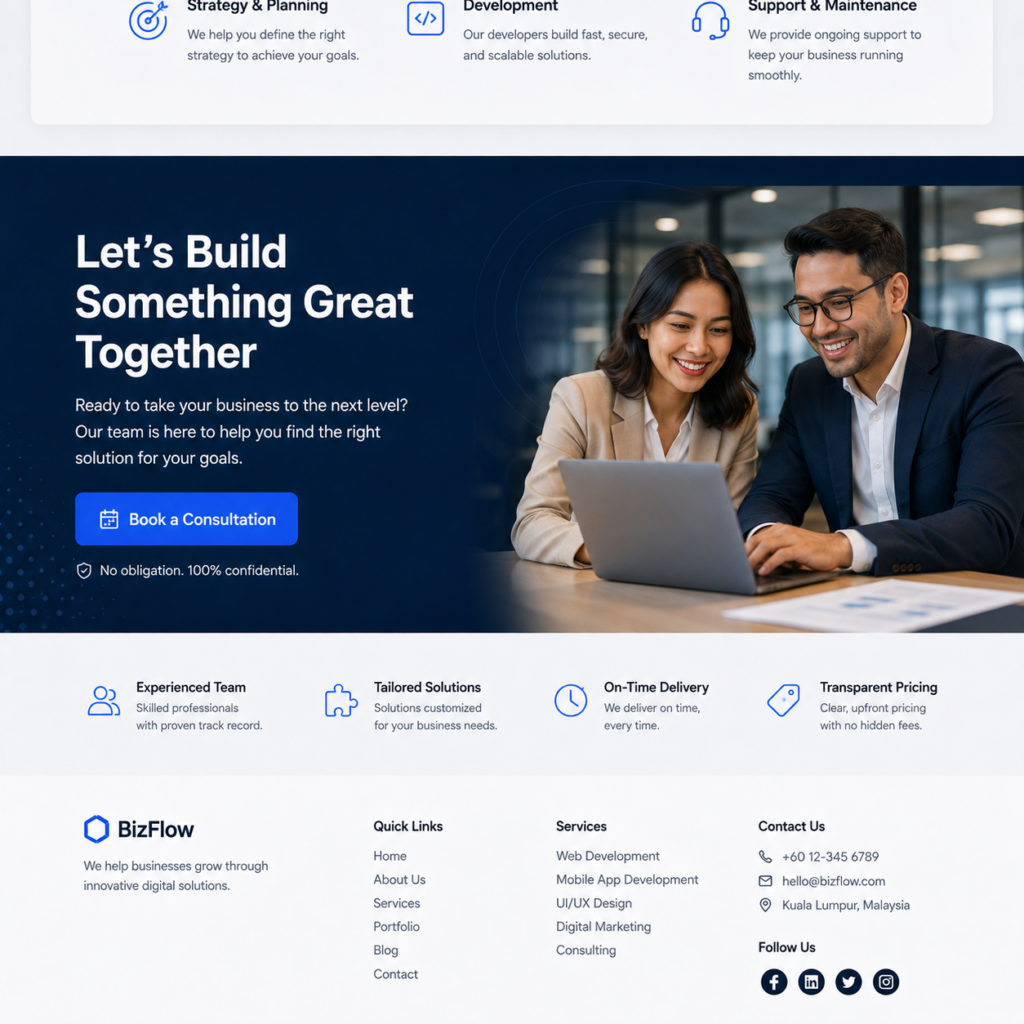
An effective website must guide visitors to take action.
This can include buttons such as “Book a Consultation”, “Request a Quote”, “Contact Us”, “WhatsApp Us”, or “View Our Services”.
Without a clear CTA, visitors may read your website but leave without contacting your company.
6. Trust-Building Elements
Trust is important, especially for B2B companies and service providers.
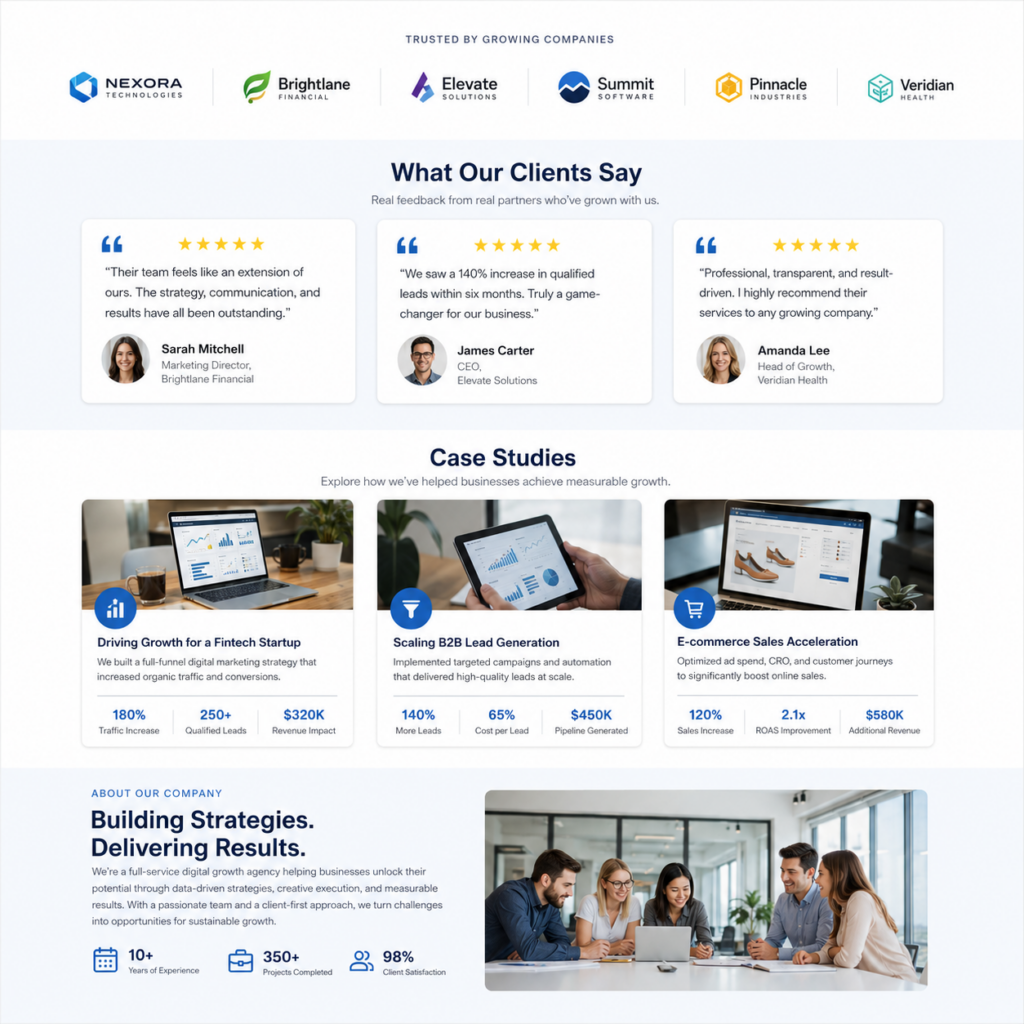
A business website should include elements that make visitors feel confident, such as client logos, testimonials, case studies, project portfolio, certifications, company background, and team information.
These elements help prove that your company is credible and experienced.
7. Helpful and Relevant Content
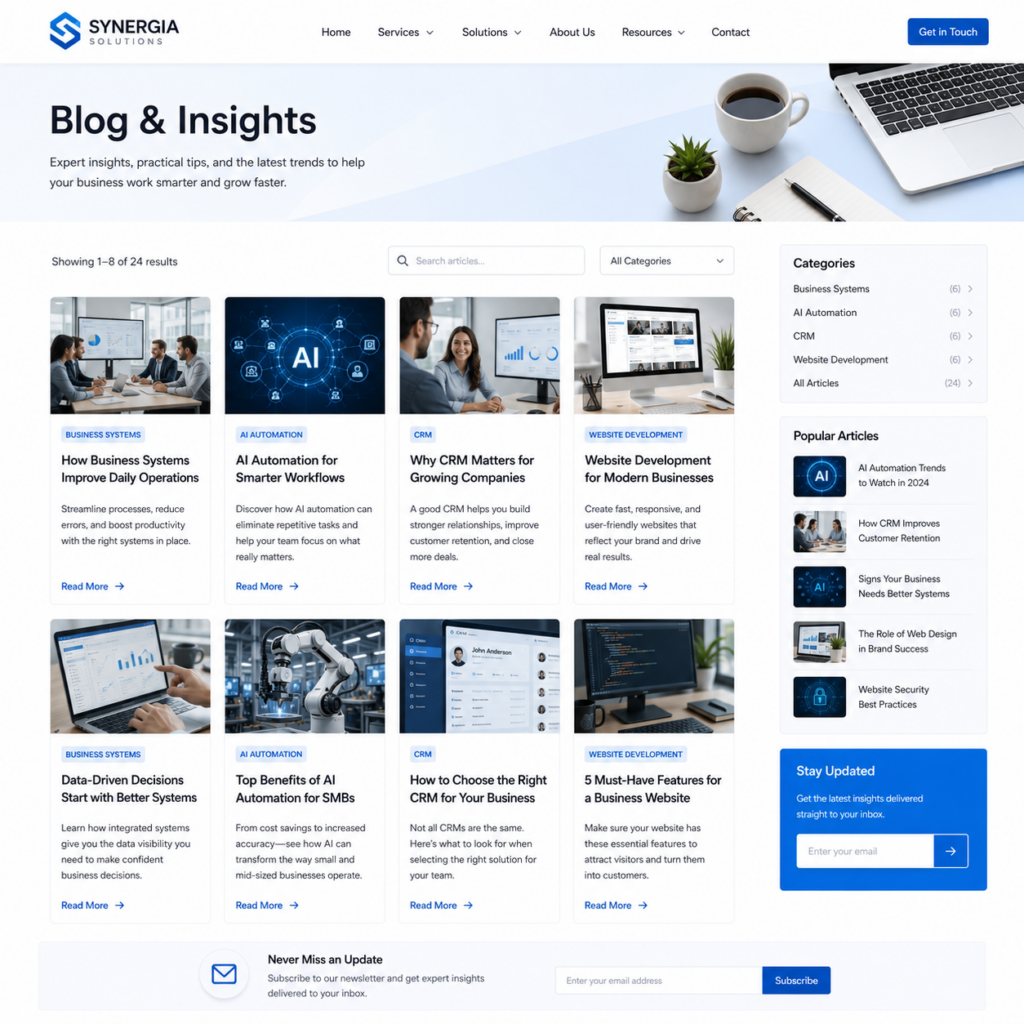
A good website should answer the questions that potential customers usually ask.
This can include service pages, blog articles, FAQs, guides, pricing information, process explanation, and industry insights.
Useful content helps educate visitors and shows that your company understands their problems.
8. SEO-Friendly Structure
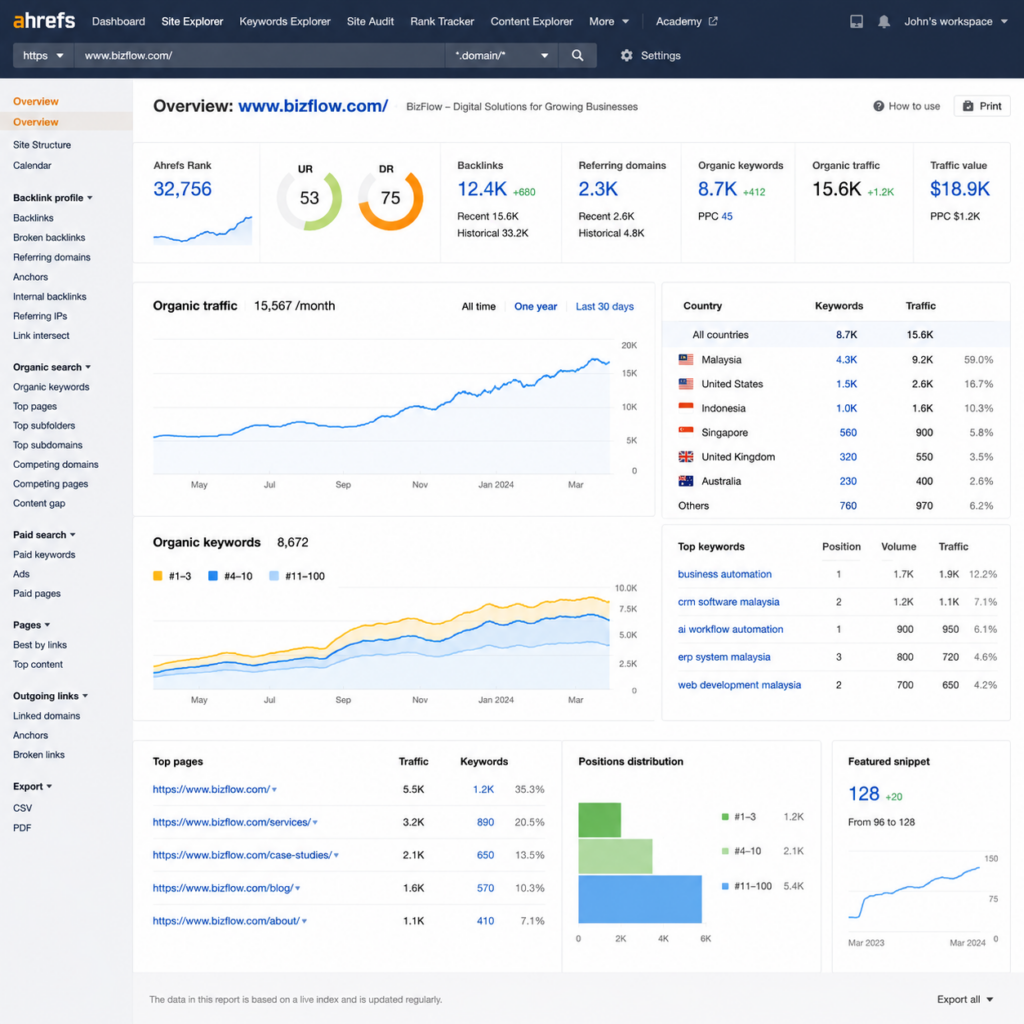
A website should be built in a way that helps search engines understand your content.
This includes proper page titles, headings, meta descriptions, internal links, fast loading pages, and relevant keywords.
SEO helps your website appear when potential customers search for services related to your business.
9. Security and Maintenance
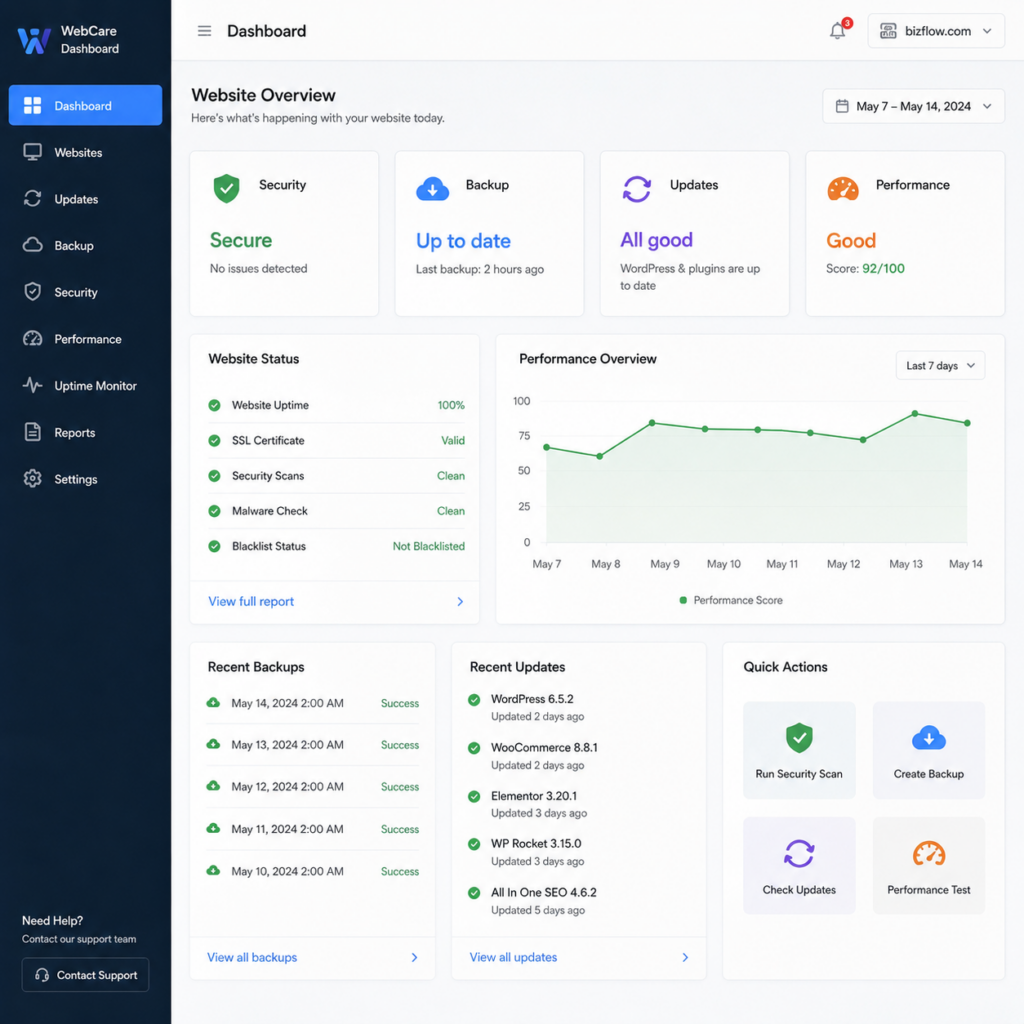
A business website needs regular maintenance to stay secure and reliable.
This includes updating plugins, fixing broken links, checking forms, monitoring website speed, backing up data, and protecting the website from security risks.
A website that is not maintained can become slow, outdated, or vulnerable.
10. Conversion-Focused Design
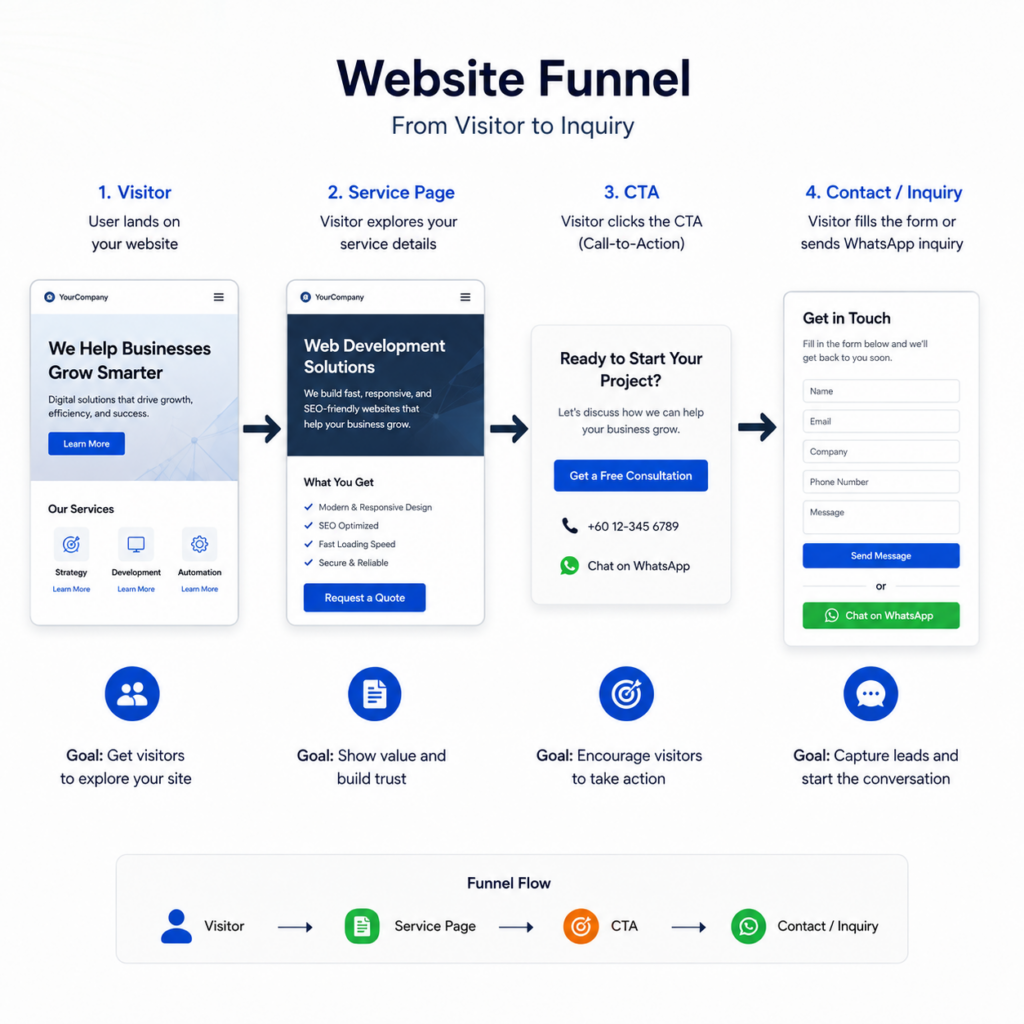
An effective website should be designed to convert visitors into leads.
This means the layout, copywriting, CTA placement, contact forms, WhatsApp buttons, testimonials, and service information must work together.
The goal is to make it easy for visitors to understand your offer and take the next step.
Conclusion
An effective business website in 2026 is not only about design. It needs to be clear, fast, mobile-friendly, secure, SEO-ready, and focused on conversion.
A strong website can help your business build trust, attract better leads, and support long-term growth.
For companies that want to improve their digital presence, a professional website is one of the most important assets to invest in.