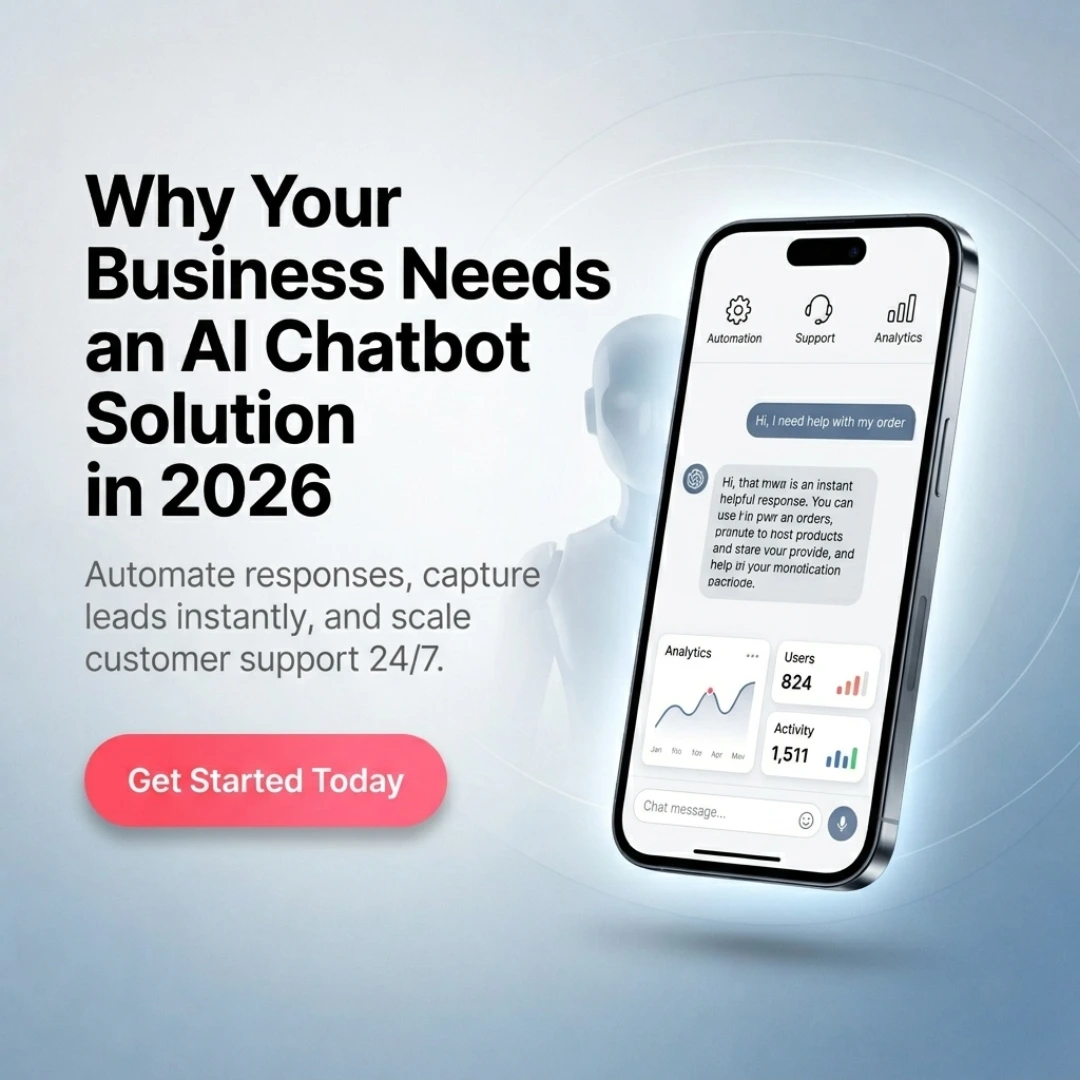
Why Your Business Needs an AI Chatbot Solution in 2026
Malaysia has recently emerged as a technological innovation hotspot, with artificial intelligence (AI) playing a critical role in altering enterprises, aligning with the country’s Vision 2030 aspirations of becoming a technologically sophisticated and sustainable economy.
AI chatbots are one of the most disruptive AI technologies, transforming how businesses communicate with customers, streamline operations, and drive growth.
In today’s fast-paced digital economy, Malaysian SMEs and organizations must adopt AI chatbot solutions to remain competitive. If you’re unsure which solution is best for your company, read our article on selecting the ideal AI chatbot and AI agent to supercharge your business to help you make an informed decision.
Allow us to lead you as we explore the landscape of AI chatbot solutions in Malaysia, analyzing their various uses and new trends to help your business prosper.
The Current Status of AI Chatbot Solutions in Malaysia

2023 was an exciting year for AI in Malaysia, thanks to the government’s proactive initiatives to integrate AI into public services and promote innovation.
Since then, Malaysians’ understanding of AI has progressively expanded, with an astonishing 84% of respondents by early 2024. This expansion reflects a larger worldwide trend of increasing AI usage and investment.
AI chatbots, in particular, have gained momentum in enterprises due to their capacity to provide quick, personalized, and cost-effective customer service, freeing up human agents to focus on more complicated duties.
Industries such as e-commerce, healthcare, finance, and logistics are at the forefront of AI chatbot use.
For example, e-commerce sites such as Lazada employ chatbots to manage consumer inquiries, process purchases, and recommend products, whereas healthcare providers utilize them for appointment scheduling and patient assistance.
AI has been easily merged into Malaysian shoppers’ lives, with 37% of Malaysians finding AI chatbots especially useful for activities such as checking product availability, delivery status, and membership information.
The Malaysian government has demonstrated strong support for AI by launching initiatives such as the National AI Framework in 2021 to drive adoption and innovation, which will be strengthened by the establishment of the National AI Office (NAIO) on August 28, 2024, which will serve as the central authority in positioning Malaysia as a regional AI hub and accelerating its integration across industries.
Staying ahead of the AI curve is critical; see Malaysia’s AI Landscape & What It Means For Businesses (2025).
Applications of AI Chatbots in Malaysian Business
AI chatbots are adaptable tools with applications in a variety of corporate operations, demonstrating how AI is changing the way we live and work in Malaysia.
The Malaysia Digital Tech Adoption Summit stated that by 2030, AI is expected to add nearly US$115 billion to Malaysia’s productive capacity, demonstrating its enormous potential in important areas such as manufacturing, healthcare, finance, and public services.
Here are some important applications that will help your business:
1. Improving Customer Support
AI chatbots provide round-the-clock customer care, answering questions, resolving difficulties, and guiding customers through tasks seamlessly.
These automated procedures serve to minimize the workload on human agents while still providing reliable, consistent support even outside of office hours.
2. Increasing Sales and Marketing
By providing customized product recommendations, chatbots may assist you in engaging potential consumers, qualifying leads, and even upselling products depending on user preferences, similar to Shopify. They also allow for personalized marketing strategies by analyzing customer data.
3. Operational efficiency
From HR onboarding to inventory management, chatbots optimize internal procedures across several functions, saving time and money and allowing teams to focus on higher-priority tasks.
For example, AI chatbots can manage employee inquiries about leave balances and corporate policies, resulting in a smoother, more effective workflow throughout your organization.
4. E-commerce & Retail
Chatbots are also transforming the online shopping experience by offering personalized product recommendations, easy payment processing, and real-time order tracking.
Platforms like have been using chatbots to help clients throughout their shopping journey, from browsing to checkout:
Following a purchase, these chatbots quickly perform support chores such as returns, refunds, and shipping updates, guaranteeing a positive and pleasant customer experience.
Trends Shaping the Future of AI Chatbots in Malaysia

Malaysia is pursuing digital transformation throughout its economy, and it is expected to acquire even more speed as it prepares to assume ASEAN Chairmanship in 2025. In this role, Malaysia will spearhead ASEAN’s collective growth strategy and strengthen its position as a regional technology hub.
The Malaysia Digital Economy Corporation (MDEC) supports this objective, estimating that AI adoption will add USD 13.4 billion to Malaysia’s GDP by 2030. This projection underlines AI’s important role in advancing the nation’s Vision 2030 goals, as well as its importance in defining a digitally empowered future for Malaysia and the rest of ASEAN.
1. Hyper-Personalisation
Chatbots are becoming smarter by leveraging data analytics and machine learning to provide highly personalized interactions.
Malaysia’s e-commerce platforms employ chatbots to recommend products based on browsing history, purchasing habits, and even real-time interactions. This level of customization boosts consumer happiness and sales.
2. Multilingual Support
To better serve Malaysia’s heterogeneous population, chatbots like AIFA are currently being created to support various languages, including Bahasa Malaysia, English, Chinese, and Tamil.
The future of customer service will enable firms to increase their consumer base both locally and globally.
3. Integration of IoT and Big Data
Chatbots are rapidly being connected with IoT devices and big data platforms to give more intelligent, data-driven insights.
As Malaysia evolves into a smart nation, integrating chatbots with IoT and big data is critical for providing seamless, data-driven experiences.
In smart homes, chatbots can manage IoT-enabled devices such as lighting, air conditioners, and security systems based on user settings. Chatbots connected with wearable devices in healthcare can deliver tailored health recommendations based on real-time data.
Beyond residential uses, chatbots are proven to be quite useful in corporate contexts. For example, in retail, they can integrate with point-of-sale and warehouse management systems to deliver personalized product recommendations and manage inventory.
In customer support, they automate responses to routine questions, freeing up human agents to handle more complicated situations.
Furthermore, when combined with wearable devices, chatbots analyze real-time patient data to provide personalized health advice, extending this functionality to corporate wellness programs by monitoring employee health measurements and recommending preventative steps.
4. Voice-Activated Chatbots
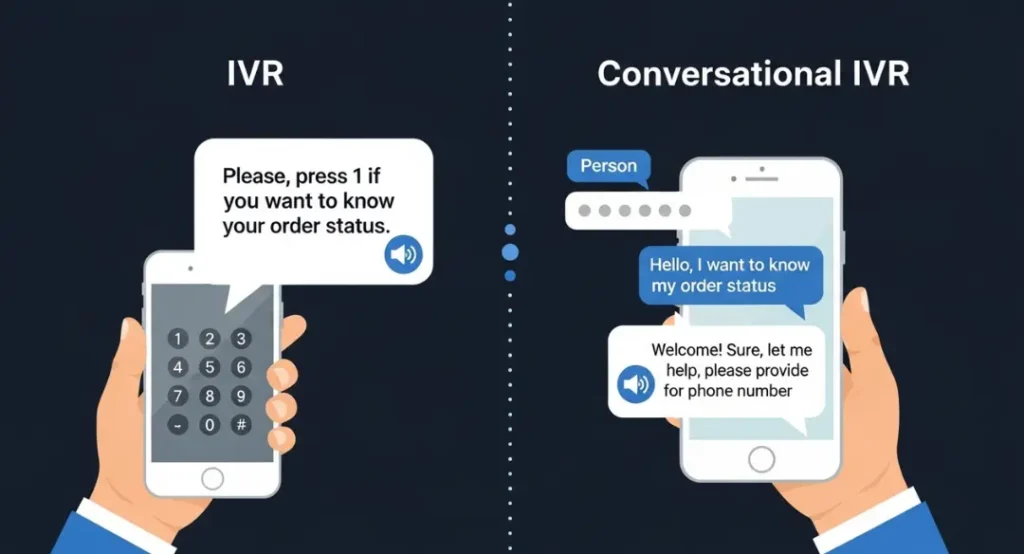
With the rise of voice assistants such as Google Assistant and Alexa, voice-activated chatbots are becoming more popular and offer major benefits to persons with disabilities by allowing hands-free, voice-controlled interactions with devices and services.
These chatbots enable people with mobility, visual, or cognitive limitations to do tasks, access information, and manage smart devices without relying on traditional input methods.
As more Malaysians use smart gadgets, the technology will advance, allowing persons with impairments to live more independently and inclusively.
5. AI Ethics and Data Security
As AI use increases, worries about data privacy and ethical AI usage become increasingly prevalent, particularly in terms of how personal data is gathered, kept, and used.
The implementation of Malaysia’s Personal Data Protection Act (PDPA) mandates organizations to protect the privacy and security of user data. Ethical AI techniques are also important for increasing consumer trust.
This includes installing strong data protection measures, assuring algorithmic fairness, and being open about how AI systems make judgments in order to address ethical concerns and protect user privacy.
Why SMEs in Malaysia Should Implement AI Chatbot Solutions

In today’s fast-paced digital economy, Malaysia’s small and medium-sized firms (SMEs) are rapidly understanding the need to adopt innovative technology to remain competitive.
Among these technologies, AI-powered chatbots stand out as a game-changer, providing numerous advantages that potentially redefine how SMEs function and interact with their consumers. Here’s why Malaysian SMEs should think about incorporating AI chatbot solutions into their company plans.
1. Cost Effectiveness.
For SMEs, strategic use of AI chatbots is a powerful opportunity to optimise operations and drive growth.
Central to this is a significant reduction in operational costs. Industry analysts, such as Gartner, acknowledge the considerable financial impact of AI-powered customer service automation.
Their research, which includes the ‘Hype Cycle for Artificial Intelligence,’ shows that organizations can save up to 30% on customer service costs by implementing chatbots and conversational AI.
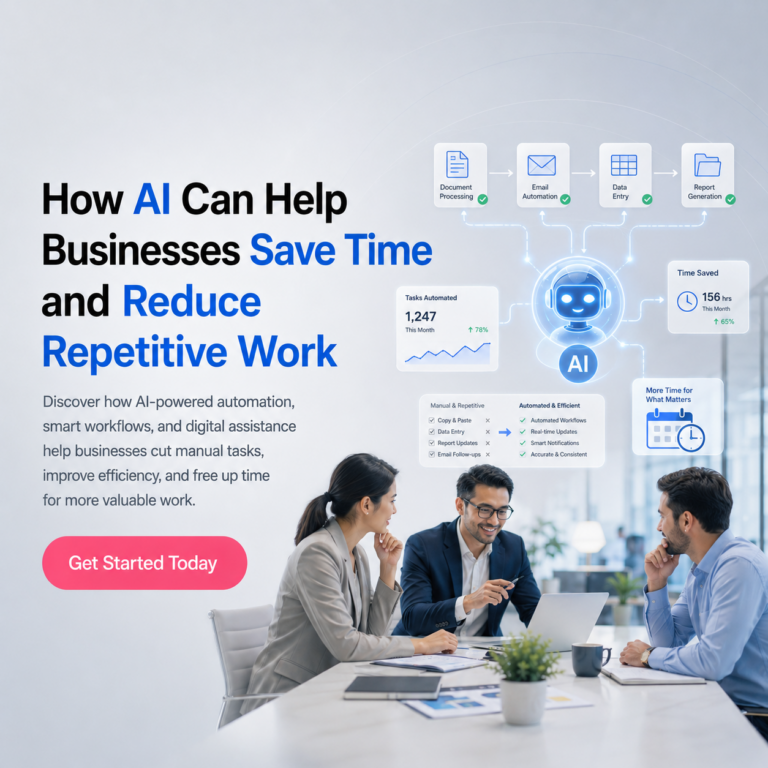
AI’s cost-effectiveness originates from its ability to automate repetitive jobs such as answering frequently asked queries, processing orders, and resolving common issues.
By handling up to 70% of client inquiries, AI chatbots free up human agents to focus on complicated, high-value interactions that require empathy and nuanced problem-solving skills.
Such synergy enables SMEs to strategically reallocate human capacity, investing in vital areas such as product development and innovation while also improving customer satisfaction.
Human agents may then focus on developing deeper client relationships, resolving complicated issues, and offering personalized counsel, resulting in a superior customer experience that maximizes both AI efficiency and human value.
Finally, AI chatbots enable SMEs to improve operational efficiency, reduce costs, and provide better client experiences, resulting in long-term growth.
2. Scalability
As organizations expand, so do their customer service needs. Hiring and training more employees to handle increased requests can be time-consuming and expensive.
AI chatbots provide a scalable solution that can handle a high volume of client conversations without requiring additional human personnel. Whether during high seasons or as the firm grows, chatbots ensure that customer support is consistent and responsive, allowing SMEs to manage expansion more effectively.
3. Competitive Advantage
In a crowded and competitive market, small and medium-sized enterprises must distinguish themselves. AI chatbots offer a unique chance to set businesses apart by providing faster, more personalized, and efficient customer interactions.
Chatbots, for example, can provide rapid responses, round-the-clock availability, and personalized recommendations based on consumer information.
This level of care increases customer satisfaction and brand loyalty, offering SMEs an advantage over competitors who rely primarily on traditional customer service approaches.
4. Improved Customer Insights
In addition to being reliable communication tools, AI chatbots are effective data collection platforms. Chatbots, with their highly analytic behavior during consumer encounters, can provide important insights into customer preferences, pain spots, and behavior patterns.
This data can be utilized to fine-tune marketing tactics, improve products or services, and launch more focused campaigns. These insights might be beneficial for Malaysian SMEs who need to understand local market trends.
5. Improved Customer Experience.
Customers today expect rapid gratification, and AI chatbots may match this desire by responding to requests quickly and accurately.
They can also provide customized interactions, such as suggesting products based on previous purchases or greeting clients by name. This level of participation promotes long-term partnerships, which are essential for SMEs’ long-term success.
6. Adaptability to Local Markets
Malaysia’s diverse and multilingual population creates new obstacles for customer service. AI chatbots can be built to support multiple languages and dialects, enabling businesses to engage with clients across regions and demographics.
This versatility makes chatbots an excellent choice for SMEs trying to appeal to Malaysia’s multicultural market.
7. Future-Proofing the Business
As AI technology evolves, companies that adopt it early will be better positioned to respond to future trends and developments.
If Malaysian SMEs adopt AI Chatbots now, they would be able to future-proof their operations, ensuring their agility and competitiveness in an increasingly digital environment.
Today, supercharge your business with AI chatbot solutions!
Artificial intelligence chatbots have a promising future in Malaysia, thanks to technological improvements and the need to appeal to a varied and tech-savvy populace.
As businesses and government agencies use these technologies, AI chatbots will become increasingly crucial in improving consumer experiences and driving digital transformation in Malaysia.
Why wait to reach your company’s full potential?
If you’re considering AI adoption for your business but need financial assistance, we’ve got you covered! Revenue Discovery, an experienced AI chatbot developer and software firm, has been trusted by multinational corporations such as Intel as well as government-linked organizations such as MCMC, MBPP, and others.
Revenue Discovery also provides funding solutions for SMEs, such as the NCER Grant, which can be especially advantageous for software development companies.
If you want to enhance your AI capabilities, such as creating smart chatbots, these grants can be quite beneficial to your company.
Your future begins now; let’s construct it together with AI!
Frequently Asked Questions
1. Which industries can profit from AI chatbots in Malaysia?
AI chatbots have the potential to disrupt multiple industries in Malaysia by improving customer service, streamlining operations, and increasing productivity. AI chatbots can greatly assist businesses such as e-commerce, healthcare, banking, logistics, and retail.
Here’s an in-depth look at how certain industries can benefit:
| Industries | Benefits of AI Chatbots |
| E-commerce | – 24/7 client support – Personalized buying experiences – Automated order management |
| Healthcare | – Appointment scheduling – Symptom checking – Health information dissemination – Patient follow-ups |
| Banking | – Customer support – Fraud detection – Personal financial management – Loans and credit services |
| Logistics | – Shipment tracking – Route optimisation – Customer inquiry resolution – Inventory management |
| Retail | – In-store assistance – Customer feedback collection – Loyalty program management – Omnichannel experience |
| Travel & Hospitality | – Booking management – Customer service – Language translation – Feedback collection |
| Government Services | – Public information dissemination – Application processing – Feedback and complaint collection |
2. How much does it cost to implement an AI chatbot for an SME in Malaysia?
- Type of ChatBot
- Rule-based chatbots are simpler and less expensive, with prices ranging from RM 5,000 to RM 20,000.
- AI-powered chatbots: More advanced, with prices ranging from RM 20,000 to RM 100,000 or more, depending on the level of customization and integration.
- Development Platform
Using pre-built platforms such as Dialogflow, Microsoft Bot Framework, or ChatGPT APIs can save money over designing a chatbot from scratch. - Features
Basic chatbots with FAQ help are less expensive, complex chatbots with capabilities such as payment integration, multilingual support, and CRM connection cost more. - Vendor versus In-House Development
Hiring a local Malaysian vendor or agency can cost between RM 20,000 and RM 50,000 for a mid-range chatbot. In-house development can save money, but it requires qualified developers.
Estimated Cost Range for SMEs in Malaysia:
Basic Chatbot: RM 5,000 to RM 20,000.
Advanced AI Chatbot: RM 20,000 to RM 100,000+
Ongoing Maintenance: RM 1,000-RM 5,000 per month.
3. Do AI chatbots support different languages in the Malaysian market?
Yes, AI chatbots can support various languages, which is very relevant given Malaysia’s multilingual and multicultural society. Supported languages include Bahasa Malaysia, English, Chinese (Mandarin), Tamil, and other dialects, depending on the target audience.
For example, Maybank’s chatbot supports many languages to better serve its varied client base, whereas e-commerce platforms like Lazada and Shopee use multilingual chatbots to assist customers in their preferred language.