Business Dashboard: Why Every Company Needs Real-Time Data
In today’s fast-moving business environment, companies need accurate information to make better decisions. However, many businesses still depend on manual reports, Excel files, WhatsApp updates, and delayed data from different departments.
This can make it difficult for business owners and managers to understand what is really happening in the company.
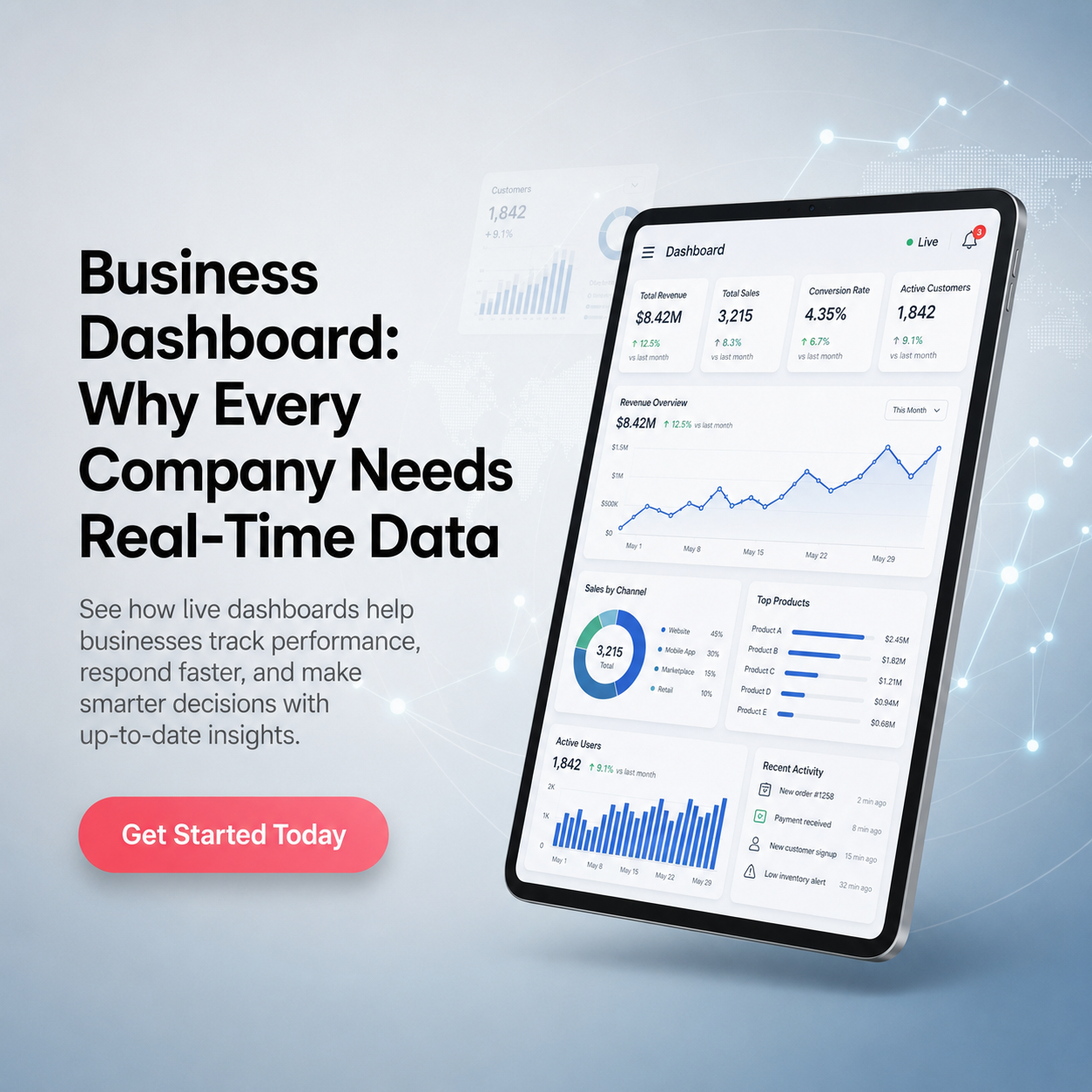
A business dashboard helps solve this problem by showing important data in one place. With real-time data, companies can monitor performance, track progress, and make faster decisions based on accurate information.
What Is a Business Dashboard?
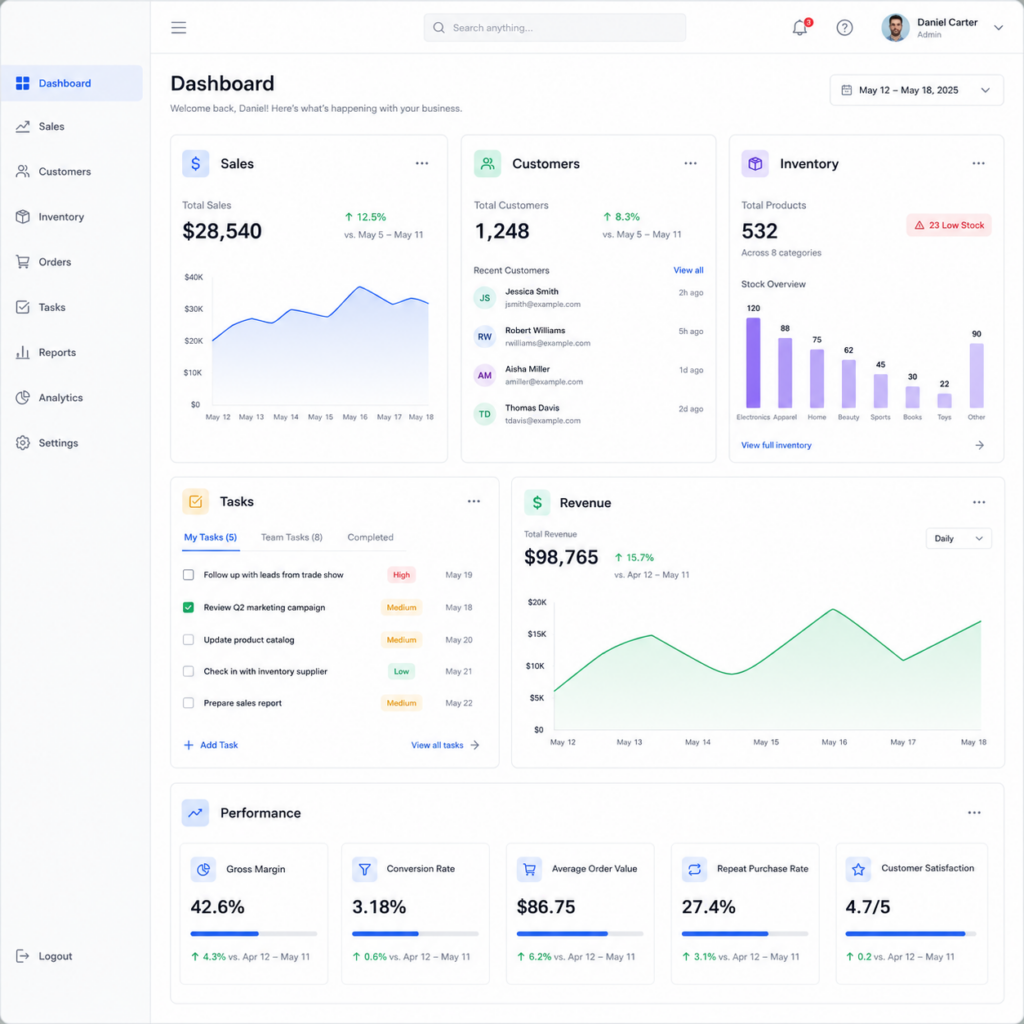
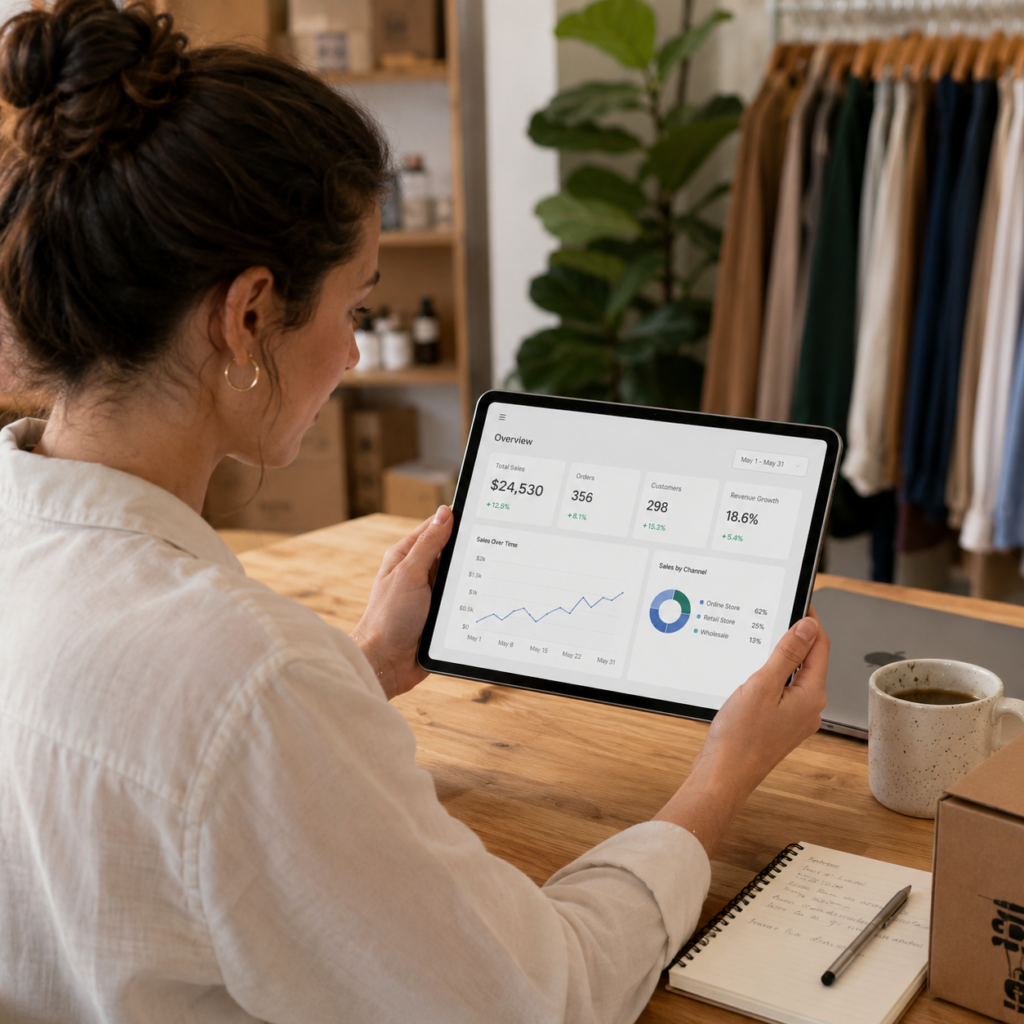
A business dashboard is a digital interface that displays important company data in a simple and visual way.
It can show key information such as sales performance, customer activity, inventory status, staff productivity, project progress, marketing results, and financial overview.
Instead of checking many files or systems, users can view the most important updates from one dashboard.
Why Real-Time Data Matters
Real-time data helps companies make decisions based on the latest information.
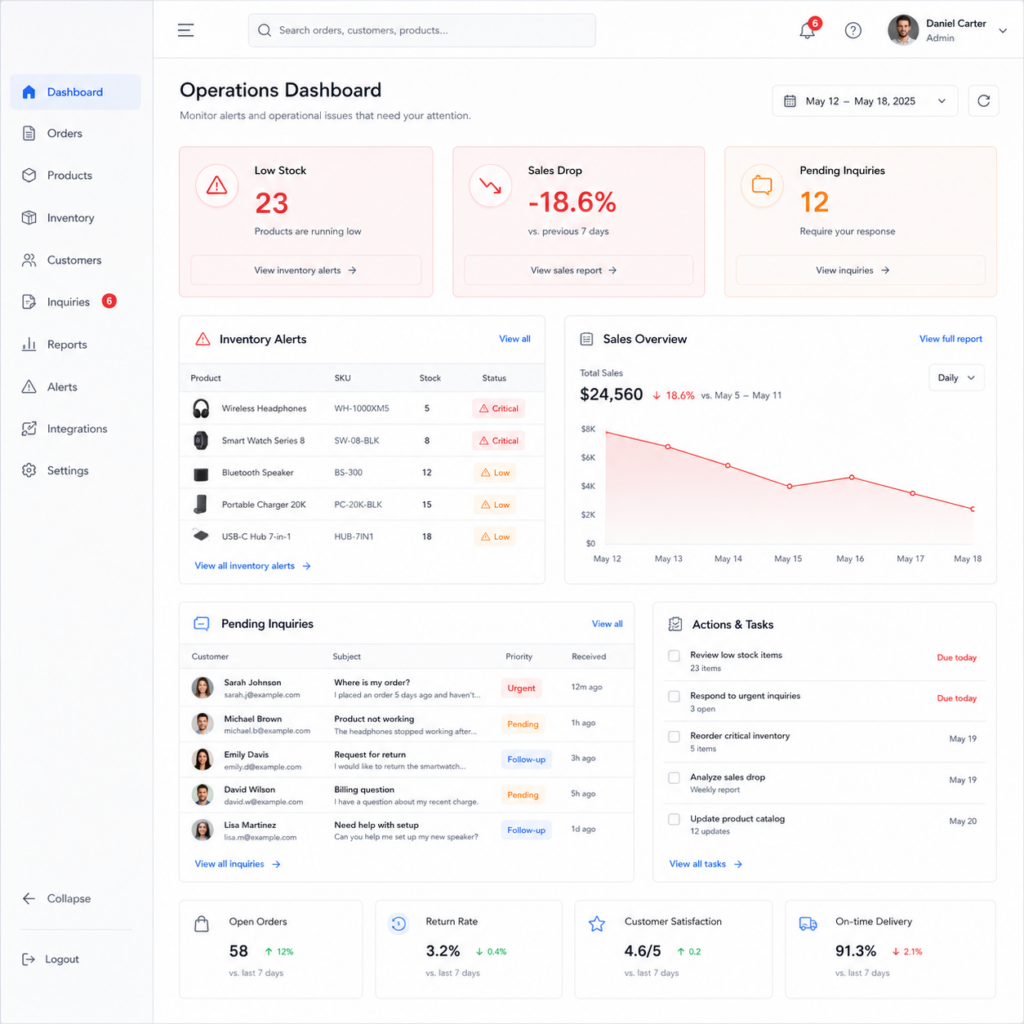
Without real-time data, business owners may only notice problems after they have already affected sales, operations, or customer experience.
For example, if stock is running low, sales are dropping, or customer inquiries are increasing, a dashboard can help the team detect it early and take action quickly.
1. Faster Decision-Making
When data is available in real time, management does not need to wait for weekly or monthly reports.
They can see what is happening immediately and make faster decisions.
For example, if a campaign is not performing well, the marketing team can adjust it quickly. If sales are increasing, the company can prepare stock, manpower, or delivery support earlier.

2. Better Business Visibility
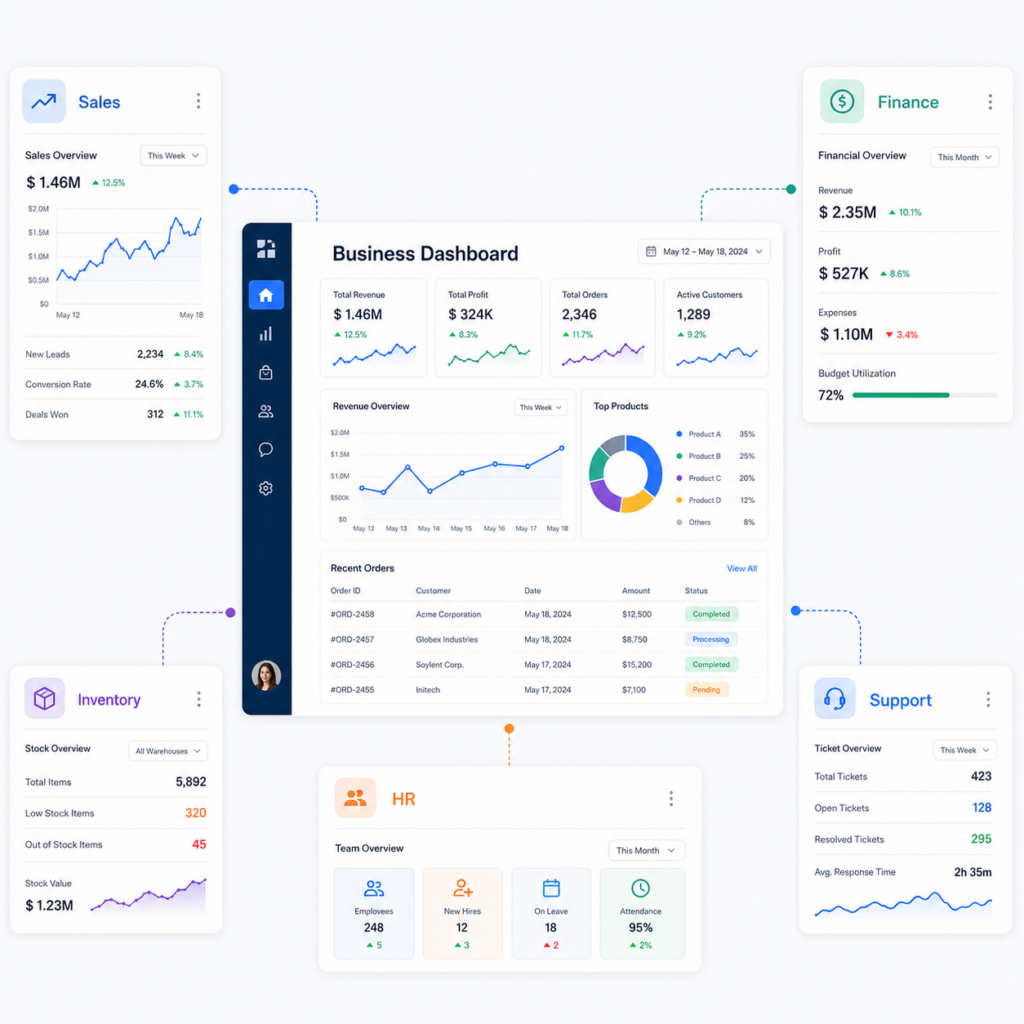
A dashboard gives business owners a clear view of company performance.
Instead of depending on verbal updates or scattered documents, they can monitor different departments from one place.
This includes sales, operation, finance, inventory, customer service, and project performance.
With better visibility, it becomes easier to identify what is working and what needs improvement.
3. Less Manual Reporting
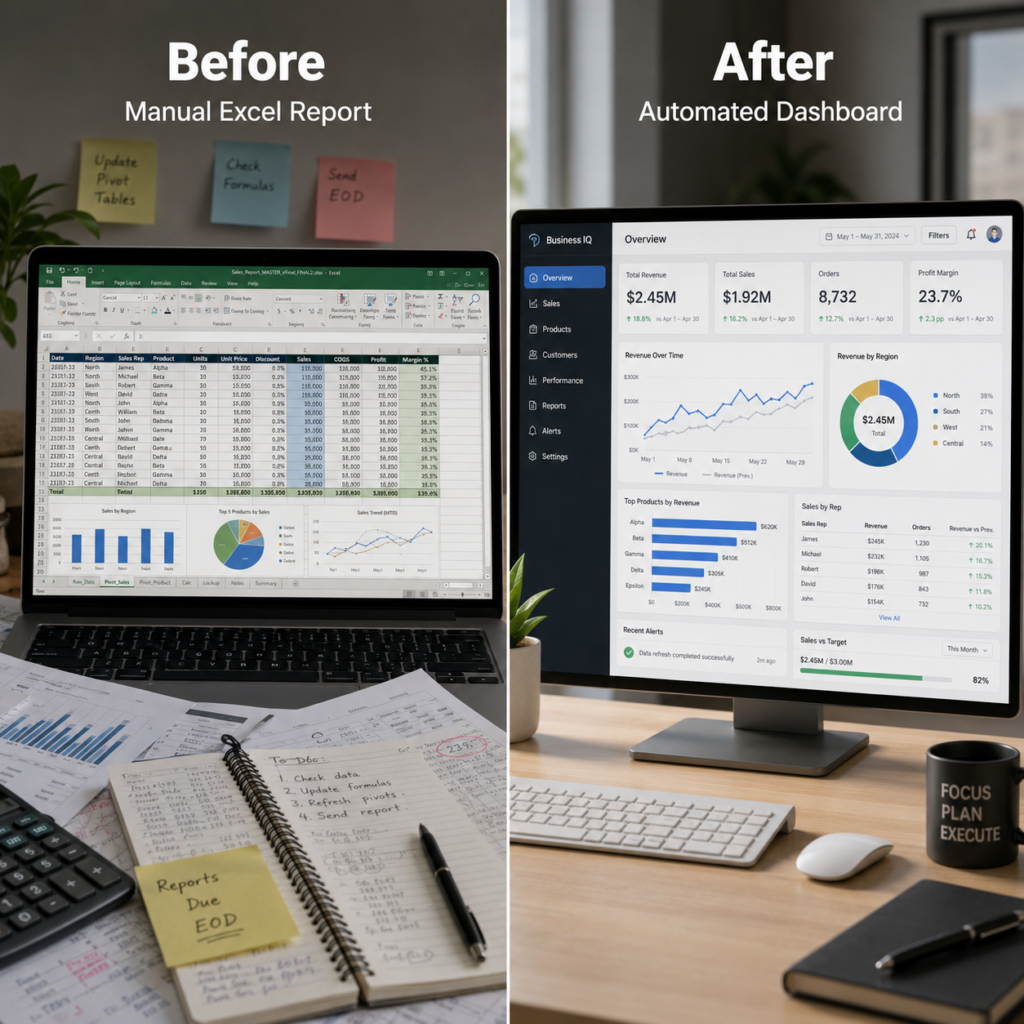
Manual reporting takes time and can lead to mistakes.
Staff may need to collect data from different sources, copy it into Excel, format reports, and send updates to management.
A business dashboard can automate reporting by pulling data directly from systems and displaying it visually.
This saves time and reduces the risk of human error.
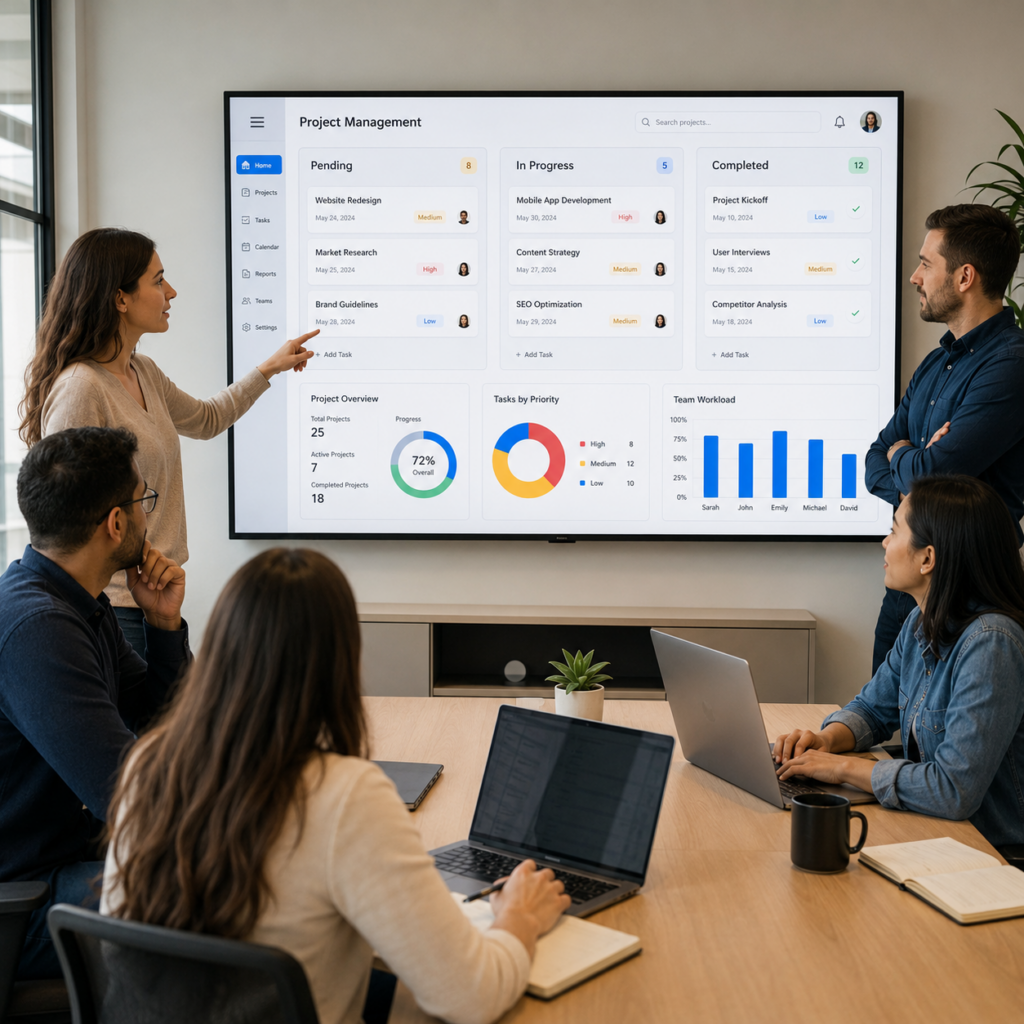
4. Improved Team Productivity
When teams have access to clear data, they can work more efficiently.
They know what tasks are pending, which customers need follow-up, which projects are delayed, and which targets still need attention.
A dashboard helps teams stay aligned because everyone can refer to the same source of information.
5. Better Customer Experience
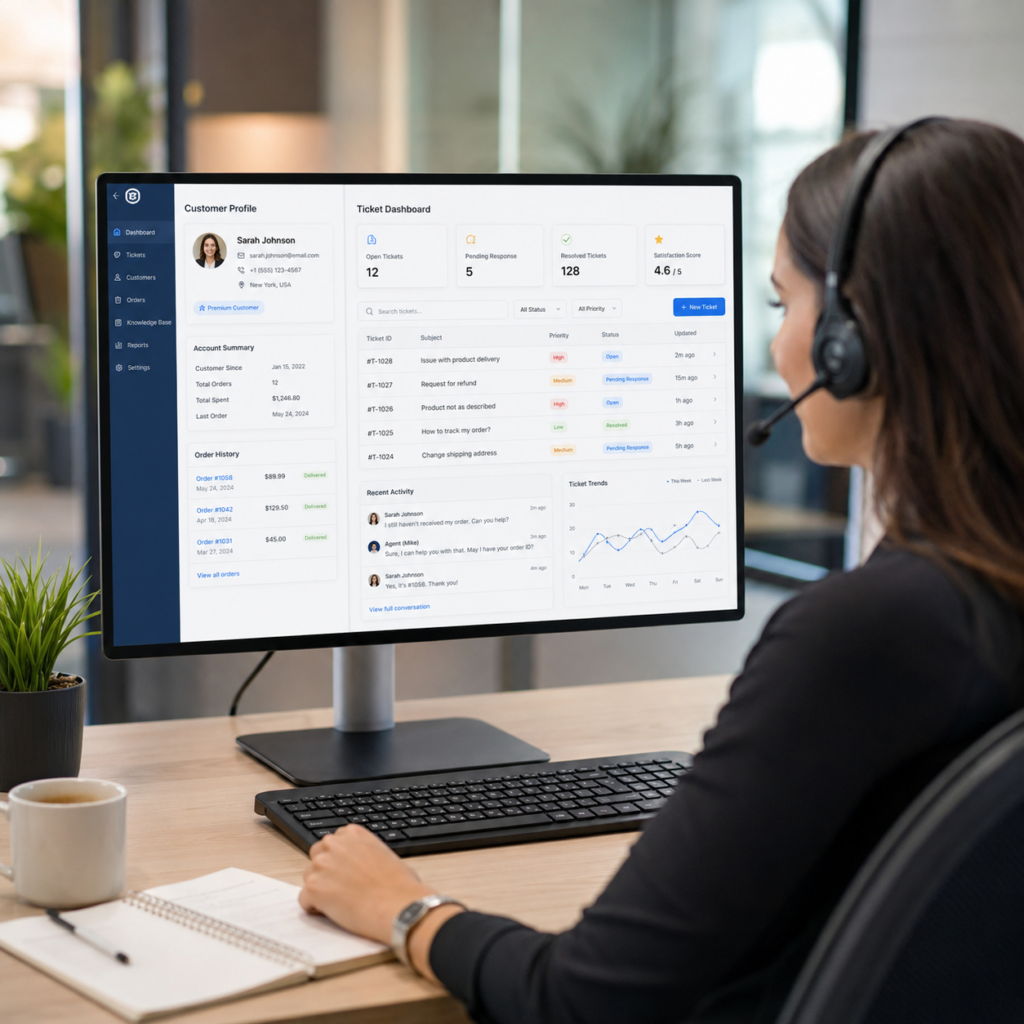
Real-time data can also improve customer experience.
For example, customer service teams can quickly check order status, support tickets, inquiry history, or pending issues.
This allows them to respond faster and provide more accurate information to customers.
When customers receive faster support, they are more likely to trust the company.
6. Easier Performance Tracking
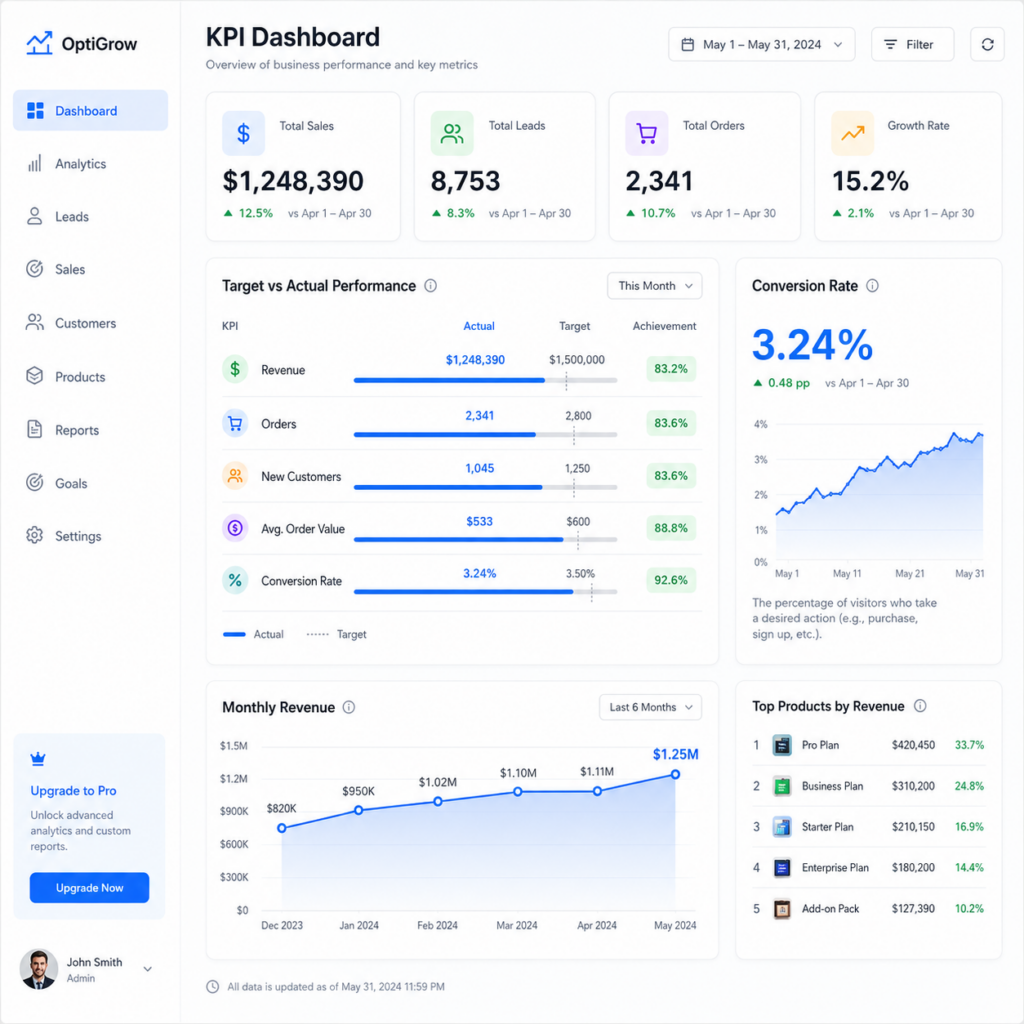
A dashboard makes it easier to track business goals and KPIs.
Companies can monitor sales targets, monthly revenue, lead conversion, project completion, staff performance, customer satisfaction, and other important metrics.
This helps management understand whether the business is moving in the right direction.
7. Helps Detect Problems Early
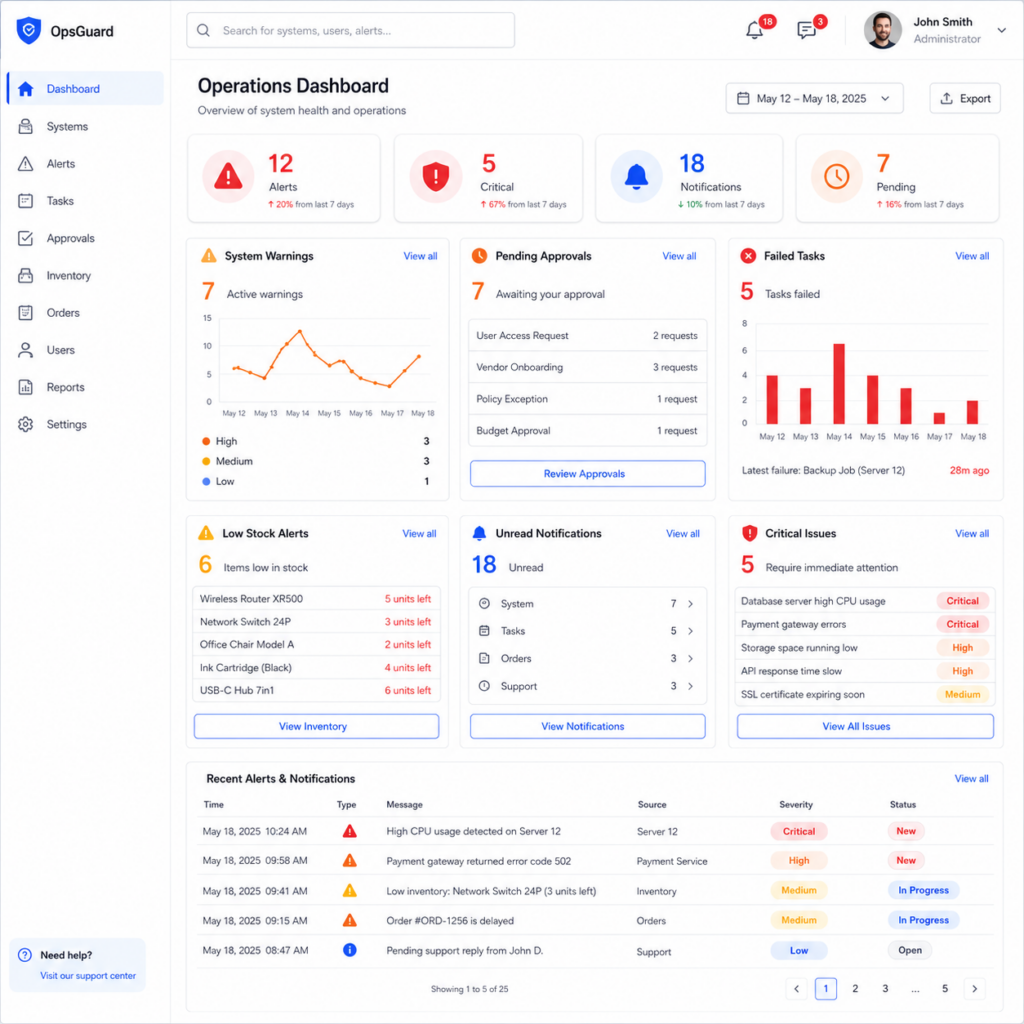
Many business problems start small before becoming serious.
A dashboard can help detect warning signs early, such as declining sales, delayed projects, low stock, slow response time, or increasing complaints.
When these issues are visible early, the company can take action before they become bigger problems.
Examples of Business Dashboards
A business dashboard can be designed based on the company’s actual needs.
Examples include:
- Sales dashboard
- CRM dashboard
- Inventory dashboard
- Finance dashboard
- Project management dashboard
- HR dashboard
- Customer support dashboard
- Marketing performance dashboard
Each dashboard can be customized to show the most important information for the business.
Is a Business Dashboard Suitable for SMEs?
Yes. Business dashboards are not only for large companies.
SMEs can also benefit from dashboards because they often need better visibility, faster reporting, and more organized data.
A company can start with a simple dashboard first, such as sales performance, customer inquiries, or inventory tracking. Later, more modules can be added as the business grows.
Conclusion
A business dashboard is more than just a reporting tool. It helps companies understand their performance, reduce manual reporting, improve team productivity, and make faster decisions.
With real-time data, business owners can take action based on facts instead of assumptions.
For companies that want to grow, improve operations, and become more data-driven, a business dashboard is an important digital solution.